
Straighten the Twist-Easy and Effective Treatment for Rotated Teeth
 Medically Reviewed by Whistle Dental Team
If you have ever looked closely in the mirror and noticed one tooth doing its own thing, tilting or turning sideways like it missed the memo to stand straight, you are not alone. A single twisted tooth is one of the most common reasons adults finally seek out orthodontic care. You do not have to accept that dental pirouette forever. Whether you are dealing with a minor tilt or severe "butterfly teeth," modern orthodontics offers precise, discreet ways to gently guide your smile back into perfect formation.
Key Takeaways
- The Hygiene Trap: A rotated tooth creates unreachable corners where floss and toothbrush bristles cannot reach, drastically increasing your risk for cavities and tartar buildup.
- Crowding is the Culprit: Most teeth rotate simply because your jaw does not have enough physical space, forcing the tooth to twist sideways to fit into the dental arch.
- Aligners vs. Braces: Clear aligners are excellent for mild to moderate rotations, while advanced braces are often the fastest route for severely twisted teeth.
- The Cosmetic Shortcut: Veneers and contouring can camouflage a very minor rotation instantly, but they require shaving away healthy enamel and do not fix the root alignment.
- Never Ignore It: Teeth naturally shift as we age. A slightly rotated tooth in your twenties will likely twist further in your forties without intervention.
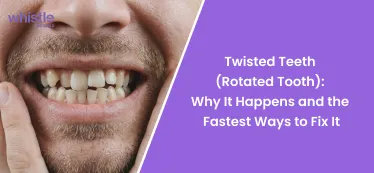
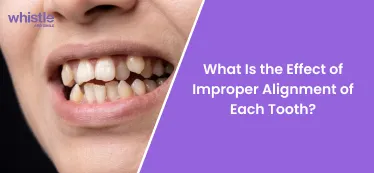
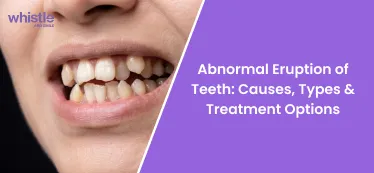
What exactly are rotated teeth? A rotated tooth (or micro-rotation) is a form of malocclusion where a tooth erupts or twists out of its proper position within the dental arch. While often viewed as a cosmetic annoyance, twisted teeth treatment is critical because rotated teeth create tight, overlapping gaps that trap plaque, eventually leading to severe gum disease and bone loss.
Rotated teeth are one of the most common smile problems people deal with. The good news? You don’t have to accept that dental pirouette forever. Today we’re diving into the effective, proven, and modern ways to fix rotated teeth, all while keeping things simple, professional, and maybe even a little funny (because, honestly, teeth can be dramatic).
What Is the Best Treatment for Rotated Teeth?
The best treatment for rotated teeth depends on how severely the tooth is rotated, your age, and whether the problem is cosmetic or functional. For mild to moderate tooth rotations, clear aligners are often the preferred choice because they are nearly invisible, removable, and can gradually move teeth into the correct position. If the rotation is more severe or accompanied by significant crowding or bite issues, braces are usually more effective as they provide greater control over tooth movement.
For people who only want to improve the appearance of a slightly rotated tooth without orthodontic treatment, dental veneers or tooth contouring may be suitable cosmetic options. However, these treatments only mask the appearance of the tooth and do not correct its actual position.
An orthodontist will evaluate factors such as the degree of rotation, available space in the jaw, and your overall oral health before recommending the most appropriate treatment. Early diagnosis can often reduce treatment time and help achieve better long-term results.
Why Do Teeth Tilt in the First Place?
Before we jump into the solution, let’s talk about the “why.” There are a handful of reasons why teeth get rotated and no, it’s not because they’re rebelling against your toothbrush. The real culprits?
- Crowding: Too many teeth, not enough space. Classic overbooking issue.
- Genetics: Thanks, parents.
- Thumb sucking or habits: Our childhood selves may have sabotaged us.
- Early loss of baby teeth: When baby teeth leave the party too early, permanent teeth get confused.
- Natural shifting with age: Yes, even teeth get older and start moving around like retirees looking for a sunny spot.
Whatever the reason, rotated teeth can affect your smile, bite, and most importantly your oral health. Luckily, dental science has some excellent fixes.
The Floss Check: Assessing Your Rotation at Home
Is your twisted tooth just a cosmetic quirk, or is it becoming a health hazard? Try the simple floss check tonight:
- The Test: Take a piece of dental floss and try to slide it down both sides of the rotated tooth.
- The Result: The floss should slide in with a gentle "pop" and move smoothly up and down the gumline.
- The Diagnosis: If the floss immediately shreds, gets completely stuck, or cannot pass through at all, the rotation has created a plaque trap. This overlapping pressure point is a prime breeding ground for periodontal disease (a deep gum infection).
The Physical Risks of a Twisted Tooth
Ignoring a rotated tooth leads to a cascade of functional health problems over time.
- Calculus and Gum Disease: Because overlapping spaces are impossible to clean perfectly, plaque hardens into calculus (tartar). This inevitably causes gingival inflammation, bleeding gums, and eventually, tooth loss.
- Uneven Wear and Tear: When teeth do not fit together smoothly, they grind against each other unnaturally. A rotated tooth often hits the opposing tooth too hard during chewing, leading to chipped edges and cracked enamel.
- Chewing Difficulties: A "bad bite" caused by multiple rotated teeth makes it difficult to chew food efficiently, putting unnecessary strain on your jaw.
- Butterfly Teeth: When the two upper front teeth (central incisors) rotate outward into a V-shape, it is commonly called "butterfly teeth." This specific rotation makes the front teeth highly vulnerable to physical trauma and chipping during a fall.
Comparing Your Treatment Options
| Treatment | Best Suited For | Cosmetic Impact | Treatment Timeline |
|---|---|---|---|
| Whistle Clear Aligners | Mild to moderate tooth rotations | Highly discreet and nearly invisible | 6 to 18 months |
| Whistle AI Braces | Severe or stubborn tooth rotations | Visible brackets | 12 to 24 months |
| Dental Veneers | Instant cosmetic correction of rotated teeth | Natural-looking smile enhancement | 1 to 3 weeks |
| Tooth Contouring | Minor surface irregularities and tiny rotations | Very subtle refinement | Single visit |
Are you wondering which path is right for your smile? Book a free Whistle Smile Assessment at your nearest Whistle Partner clinic - no commitment required.
How to Fix Crooked Teeth: The Whistle Solutions
1. Clear Aligners: The “Invisible” Way to Straighten
If you want straight teeth without announcing to the world that you’re undergoing orthodontic treatment, clear aligners are your best friend.
Clear aligners are custom-made trays that gradually rotate the tooth into alignment. Each tray is like giving your tooth a polite nudge in the right direction—“Hey buddy, let’s face forward, okay?”
Why do people love clear aligners?
- Nearly invisible
- Removable (so you can eat your popcorn in peace)
- Generally comfortable
- Ideal for mild to moderate rotations
2. Traditional Braces: The Classic Fix That Still Works Like Magic
Braces might not win any fashion awards, but they do win in performance. If your rotated teeth are stubborn, dramatic, and refusing to cooperate, braces step in like the strict orthodontic coach who means business.
Metal or ceramic brackets are placed on your teeth, and a wire does the heavy lifting—literally—by applying continuous pressure. Rotated teeth don’t stand a chance.
Why braces work so well:
- Great for severe rotations
- Can fix complex issues aligners cannot
- Consistent, predictable results·
Plus:
Braces today are more comfortable and sleeker than the bulky heads of metal from years past. And hey—colorful bands? That’s practically dental fashion.
3. Dental Veneers: Quick Cosmetic Fix for Mild Rotation
If your rotated tooth is only slightly off and you want a quicker transformation, veneers can be a great shortcut. Veneers are thin, custom porcelain shells placed on the front of your teeth. They don’t physically rotate the tooth—they simply create the appearance of ideal alignment.
Why veneers are popular
- Instant cosmetic improvement
- Great for mild rotation, chips, or discoloration
- Durable and natural-looking
But keep in mind:
This is a cosmetic treatment, not a functional correction. So it’s best for small rotations—not for teeth doing a full 45-degree spin.
4. Tooth Contouring and Reshaping
This is a subtle and conservative method used when a rotated tooth needs just a tiny adjustment. Your dentist gently reshapes the enamel to improve symmetry. It’s like giving your tooth a tiny makeover.
Best for:
- Minor rotation
- Small surface adjustments
- Creating a more uniform smile
This method is often combined with veneers or bonding for best results.
5. Retainers (Not Just for After Treatment!)
Many people think retainers are just the “after-party” for orthodontic treatment, but certain types of retainers can actually help correct minor rotations.
Examples include:
- Hawley retainers: The classic wire-and-acrylic type
- Clear retainers: Similar to aligners
While retainers are great for small corrections but can’t fix all types of rotated teeth, they’re great for small corrections or maintaining results after other treatments.
How to Choose the Best Option?
Here’s the golden rule: Always consult with your treating doctor
Your rotated tooth might look simple to fix, but there are so many other factors that play a role in choosing the best treatment.
Factors your dentist will consider:
- How rotated the tooth is
- Your age
- Your bite alignment
- Space in your mouth
- Your lifestyle and cosmetic preferences
- Your budget
Orthodontists essentially act like smile architects—they’ll design the safest and most effective plan for your unique tooth situation.
What is the duration to fix rotated teeth?
The timeline varies based on the type of procedure we choose:
- Clear aligners: 6–18 months
- Traditional braces: 12–24 months
- Veneers: 1–3 weeks
- Contouring: Single appointment
Whatever said and done, the only long-lasting correction, aligners or braces are the way to go.
Rotated teeth are quite common, but that doesn’t mean you have to keep them . As with the revolution,the world of modern dentistry offers a full toolbox of effective solutions, from discreet aligners to high-tech braces to instant cosmetic fixes.
Also Read:
- What is teeth gap: Causes, Risks & Treatment Options
- What Is the Correct Teeth Alignment? | Ideal Bite & Perfect Smile Treatment
- What is Crooked Teeth - Causes , Risks & Treatment Options
- Overbite vs Deep Bite | Understanding the Differences and Treatments
Your teeth might have whims and fancies to be rotated or tilted, but with the right treatment, you can gently guide them back into formation.
So are you ready for that confident smile?
Your Next Steps
Rotated teeth are incredibly common, but that does not mean you have to keep them. Resolving the twist early protects your gums from chronic infection and gives you a smile that you are genuinely proud to share. Orthodontists essentially act like smile architects; they will design the safest, most effective plan for your unique dental anatomy.
Ready to see what your perfectly aligned smile could look like? Book a free Smile Assessment at your Whistle Partner clinic today.
Book 3D Teeth Scan
Consult our experts and get a 3D preview of your smile transformation!
twisted teeth
rotated teeth
twisted teeth treatment
FAQ's
Q1.What causes a single rotated tooth?
The most common cause of a single rotated tooth is local overcrowding. If your jaw does not have enough physical space for an adult tooth to erupt normally, the tooth will instinctively twist sideways or erupt at an angle just to fit into the dental arch.
Q2.Can clear aligners fix a severely rotated tooth?
Clear aligners are excellent for mild to moderate rotations. However, a tooth that is severely rotated (for example, turned 45 degrees or more) may require tiny tooth-colored attachments to help the aligner grip the tooth, or your orthodontist may recommend traditional braces for a faster result.
Q3.Is correcting tooth rotation with braces painful?
You will feel some dull pressure and tenderness for a few days after your braces are applied or adjusted. This pressure means the periodontal ligament (the tissue holding your tooth in the bone) is gently stretching, which allows the tooth root to slowly rotate into place.
Q4.Will a rotated tooth fix itself over time?
No. In fact, teeth naturally experience mesial drift (a slow forward shifting) as we age. A slightly rotated tooth will almost certainly become more severely twisted and crowded over time if left untreated.
Q5.Are veneers better than aligners for twisted teeth?
Veneers offer a faster cosmetic result for very minor twists, but they do not move the actual tooth root. Placing a veneer requires permanently shaving down healthy tooth enamel. Aligners take longer but preserve your natural enamel while fixing the underlying alignment issue.

 Medically Reviewed by Whistle Dental Team
 Medically Reviewed by Whistle Dental Team

 Medically Reviewed by Whistle Dental Team