Does Mewing Really Work? Proper Tongue Posture, and Evidence-Based Solutions
 Medically Reviewed by Whistle Dental Team
- Adult Bone Rigidity: Craniofacial sutures fuse in late adolescence, preventing voluntary tongue posture from altering adult mandibular or maxillary skeletal dimensions.
- Normal Rest Posture vs Social Media Hype: Resting the tongue gently on the palate with nasal breathing supports oral health, but does not provide DIY cosmetic jawline contouring.
- Risks of Hard Mewing: Aggressively forcing the tongue against teeth or the palate can trigger temporomandibular joint (TMJ) disorders, posterior open bites, and unwanted tooth tipping.
- Overbite Realities: An overbite is a complex dental and skeletal malocclusion that requires precision biomechanical force vectors, not unguided oral habits.
- Clinically Proven Pathways: True structural realignment requires comprehensive orthodontic evaluation, digital clear aligners, precision braces, or surgical orthodontics.
What Is Mewing?
The term mewing originates from British orthodontist Dr. John Mew and his son Dr. Mike Mew, who developed an alternative orthodontic ideology known as orthotropics in the 1970s. Orthotropics posited that modern soft diets and habitual mouth breathing cause underdeveloped jaws and crooked teeth, arguing that guiding facial growth through oral posture could influence facial form.
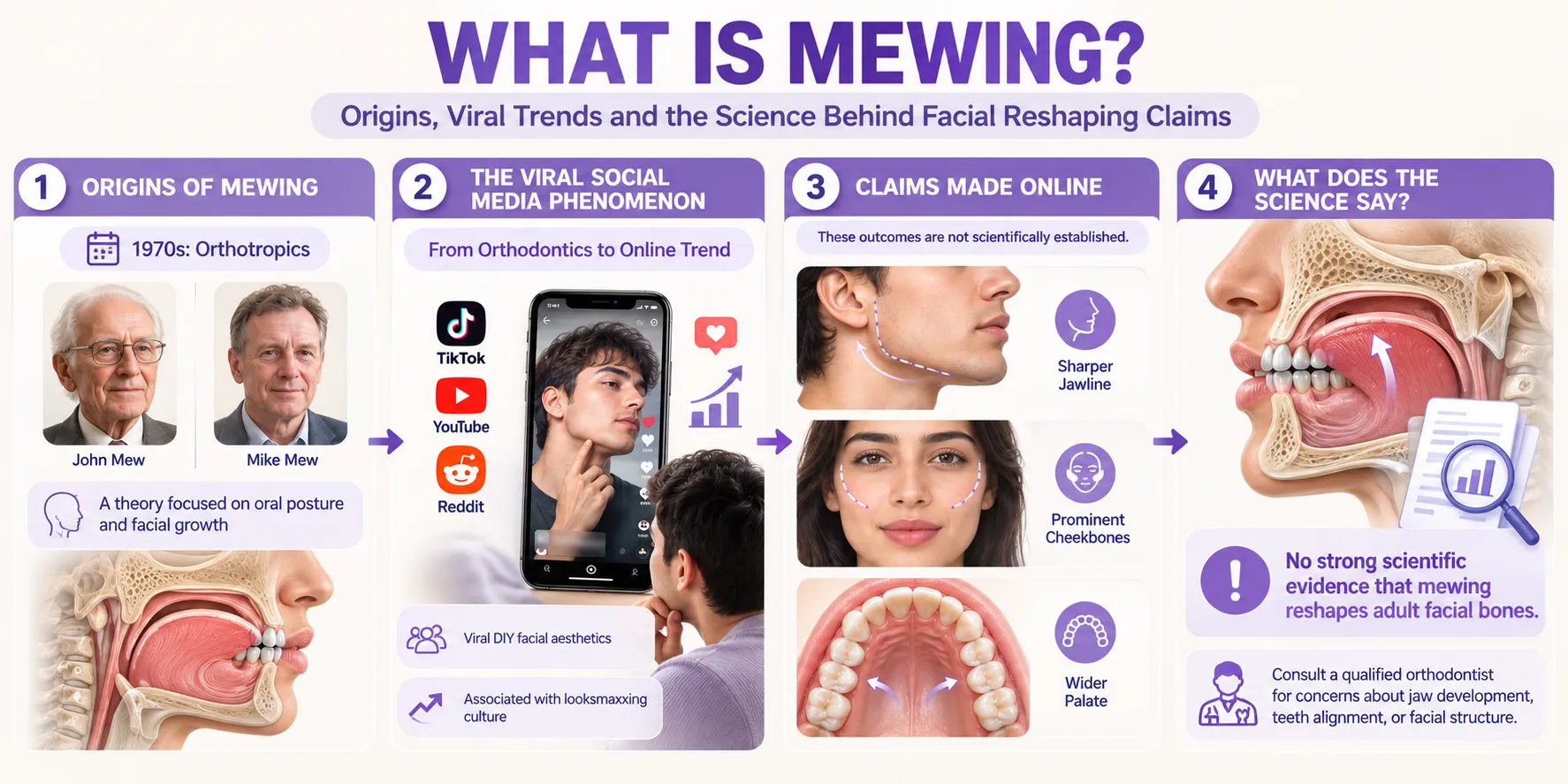
Decades later, social media platforms like TikTok, YouTube, and Reddit repurposed these concepts into a viral DIY cosmetic movement, often associated with looksmaxxing trends. Online tutorials claimed that by continuously pressing the tongue against the palate, individuals could chisel their jawline, sharpen cheekbones, widen the palate, and eliminate double chins without orthodontic appliances or surgery.
Why Tongue Pressure Cannot Reshape Adult Jaws
- Craniofacial Sutural Fusion: The upper jaw (maxilla) is connected to the surrounding facial bones by fibrous joints called sutures, notably the midpalatal suture. In growing children, these sutures are patent and responsive to orthopedic expansion appliances. By late adolescence (ages 16 to 18 in females, 18 to 21 in males), these sutures undergo complete ossification, fusing into solid cortical bone that cannot be separated or expanded by tongue pressure alone.
- Mandibular Cortical Density: The lower jaw (mandible) is a single, dense bone that articulates with the skull at the temporomandibular joints. Mandibular growth is genetically and hormonally regulated, terminating once epiphyseal plates and condylar growth cartilages close. Applying tongue pressure does not lengthen or remodel the mandibular ramus or body in adults.
- Force Duration and Biomechanical Thresholds: Orthodontic tooth movement requires light, continuous force applied 24 hours a day to stimulate periodontal ligament remodeling. The tongue is a muscular organ that fatigues quickly. Intermittent or voluntary pressing lacks the continuous mechanical consistency needed to move teeth safely, often causing unstable dental tipping rather than bodily movement.
- The Illusion of Online Before-and-After Photos: Dramatic viral transformations frequently rely on deceptive variables: reduction in overall body fat percentage, improved cervical spine posture, conscious submental muscle contraction during photo capture, strategic camera focal lengths, and puberty-related maturation in teenagers.
How to Do Mewing Correctly: Clinical Guide to Proper Oral Resting Posture
- Tip of the Tongue Placement: Rest the tip of your tongue gently against the roof of your mouth, approximately half an inch behind your upper front teeth (on the incisive papilla). Never press the tip directly against the back of your front teeth.
- Dorsum Engagement: Flatten the middle and posterior body (dorsum) of your tongue against the hard palate, creating gentle, passive suction. Do not push forcefully.
- Natural Lip Seal: Keep your lips gently closed without straining your chin muscles (mentalis strain).
- Interocclusal Freeway Space: Keep your upper and lower teeth slightly apart (approximately 2 to 3 mm of natural resting space), or in feather-light contact. Do not clench your molars.
- Strict Nasal Breathing: Inhale and exhale consistently through your nose, allowing your nasal passages to filter, humidify, and warm incoming air.
Master Explanatory Table: Mewing Claims vs Orthodontic Clinical Reality
| Viral Trend Claim | Clinical Orthodontic Reality | Biological & Anatomical Mechanism | Evidence-Based Solution |
| Reshapes and chisels adult jawlines permanently. | Zero skeletal remodeling in adults. | Craniofacial sutures and mandibular condyles are fully ossified in adults; voluntary tongue pressure cannot alter dense bone. | Clear aligners, orthognathic jaw surgery, or dermal chin contouring. |
| Fixes dental overbites and deep bites naturally. | Can worsen bite alignment or cause open bites. | Overbites stem from dental and skeletal discrepancies requiring 3D torque control, not unguided habit forces. | Precision clear aligners or fixed braces supervised by an MDS Orthodontist. |
| Widens narrow palates and resolves crowding. | Cannot expand fused midpalatal sutures in adults. | Skeletal expansion in adults requires surgically assisted or mini-screw assisted rapid palatal expansion (MARPE/MSE). | Palatal expanders (in children) or clear aligners with IPR/expansion (in adults). |
| Straightens crooked and rotated teeth. | Risks tipping teeth forward or creating gaps. | Uncontrolled tongue pressure against teeth creates unstable tipping forces, damaging periodontal support. | Doctor-directed orthodontic aligner or braces treatment. |
Can Mewing Fix Overbite?
Real Solutions for Jawline and Bite Correction
- Custom Clear Aligners: Engineered using high-precision polyurethane, clear aligners exert controlled biological forces to resolve crowding, close gaps, and correct deep bites, restoring facial harmony.
- Fixed Orthodontic Braces: Ceramic or metal braces provide unmatched torque and vertical control for severe skeletal and dental discrepancies.
- Palatal Expanders and MARPE: In growing children, rapid palatal expanders guide skeletal growth. In adults, Miniscrew-Assisted Rapid Palatal Expansion (MARPE) can widen narrow maxillae without invasive surgery.
- Orthognathic Surgical Orthodontics: For adults with severe skeletal underbites or recessed chins, combined orthodontic and surgical realignment permanently repositions the jawbones into optimal functional balance.
- Certified Myofunctional Therapy: Guided by trained speech therapists and orthodontists, structured myofunctional exercises correct harmful swallowing patterns and tongue thrusts under clinical supervision.
- What Is the Correct Teeth Alignment?
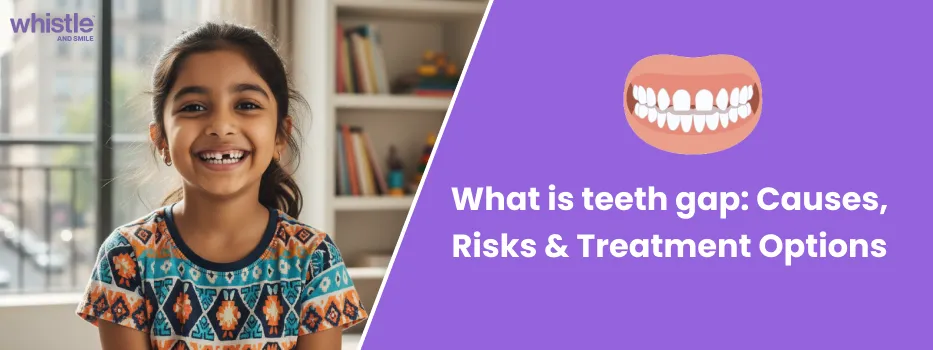
- What is a tooth gap: Causes, Risks & Treatment Options
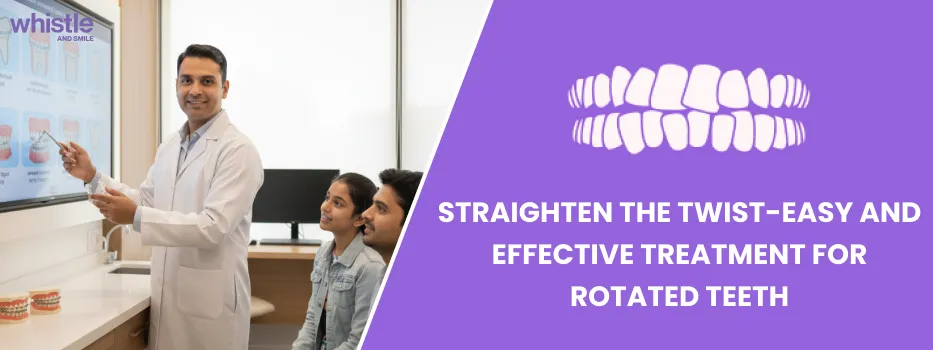
- Straighten the Twist-Easy and Effective Treatment for Rotated Teeth
- Best Options to Close Teeth Gaps | Treatments & Solutions
- Ideal Teeth Alignment: What does Perfectly Aligned Teeth Really Mean?
Orthodontist Observation Layer: 5 Common Patient Mistakes
Across our nationwide network of partner clinics, our orthodontists regularly identify preventable patient errors related to viral trends:
- Mistake 1: Aggressive Hard Mewing Against Front Teeth: Pushing the tongue against anterior teeth causes traumatic dental flaring, bite collapse, and enamel chipping.
- Mistake 2: Continuous Daytime Teeth Clenching: Believing that keeping teeth tightly clamped sharpens the jawline results in severe masseter muscle spasms and temporomandibular joint pain.
- Mistake 3: Delaying Professional Orthodontic Care: Attempting DIY exercises for months or years while underlying crowding or overbites worsen, requiring more complex treatment later.
- Mistake 4: Believing Online Influencer Transformations: Failing to recognize that dramatic before-and-after photos usually reflect weight loss, chin tucking, or deceptive lighting.
- Mistake 5: Buying Direct-to-Consumer DIY Aligners or Jaw Exercisers: Using rubber jaw-chewing balls or mail-order kits without doctor oversight can fracture teeth and dislocate jaw joints.
Can Clear Aligners Improve Jawline Appearance?
Clear aligners have become a popular orthodontic option for correcting dental alignment in a discreet way. They gradually shift teeth into their ideal positions and help correct bite problems such as crowding, spacing, and overbite.
When orthodontists improve the relationship between the teeth and jaws, the facial profile often becomes more harmonious. Although aligners do not directly reshape the jawbone, they do reposition it, enhancing the overall balance of the lower face.
For individuals concerned about their jawline, an orthodontic evaluation can determine whether dental alignment issues contribute to facial imbalance.
Also Read:
- How to treat Crooked Teeth: Braces, Aligners & More
- How to Reduce Gap Between Teeth Naturally | Effective Solutions
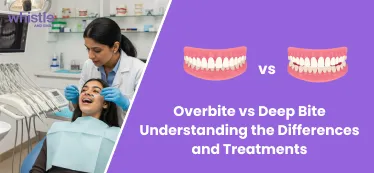
- Overbite vs Deep Bite | Understanding the Differences
- What is Crooked Teeth - Causes, Risks & Treatment Options
Conclusion: Moving Beyond Viral Trends to Clinically Proven Smiles
While mewing has captured widespread attention as a quick cosmetic shortcut, understanding human craniofacial biology reveals its clear limitations. While maintaining a gentle resting tongue posture and nasal breathing supports general oral health, voluntary exercises cannot reshape mature adult jawbones, sharpen facial contours permanently, or fix misaligned bites.
Attempting to force structural change through hard mewing risks causing genuine dental and joint damage, including TMJ disorders and open bites. If you want to improve your bite, facial harmony, or smile alignment, rely on scientifically verified orthodontic solutions.
With in-person supervision by qualified MDS Orthodontists across 600+ Whistle partner clinics nationwide, in partnership with Clove Dental, you can achieve genuine, lasting smile transformations safely. Schedule your consultation today to begin your personalized orthodontic journey.
Also Read:
Book 3D Teeth Scan
Consult our experts and get a 3D preview of your smile transformation!
FAQ's
Q1.Does mewing really work for adults?
No, mewing does not structurally reshape adult jawbones or facial bones. In adults, the cranial sutures and mandibular growth plates are fully fused, meaning tongue pressure cannot stimulate bone remodeling or alter skeletal jaw dimensions.
Q2.Does mewing help your jawline?
It may make the jawline appear slightly sharper due to posture changes, but it does not alter bone structure.
Q3.Can mewing fix your jawline?
Mewing cannot correct jaw alignment problems. Orthodontic treatment is usually required for structural improvements.
Q4.Does mewing work after 20?
After facial growth stops, it becomes very difficult to change jaw structure without orthodontic or surgical treatment.
Q5.Is mewing harmful or dangerous?
Gentle, natural resting posture is harmless. However, aggressive hard mewing, characterized by forceful pressing and teeth clenching, can cause serious complications including temporomandibular joint (TMJ) pain, tooth misalignment, chronic headaches, and enamel wear.
Q6.What actually works to reshape a weak jawline or fix a recessed chin?
Proven solutions include orthodontic treatment (clear aligners or braces) to align the bite, surgical orthodontics (orthognathic surgery) to reposition the jawbones, or cosmetic facial contouring procedures evaluated by medical specialists.
 Medically Reviewed by Whistle Dental Team
 Medically Reviewed by Whistle Dental Team

 Medically Reviewed by Whistle Dental Team