
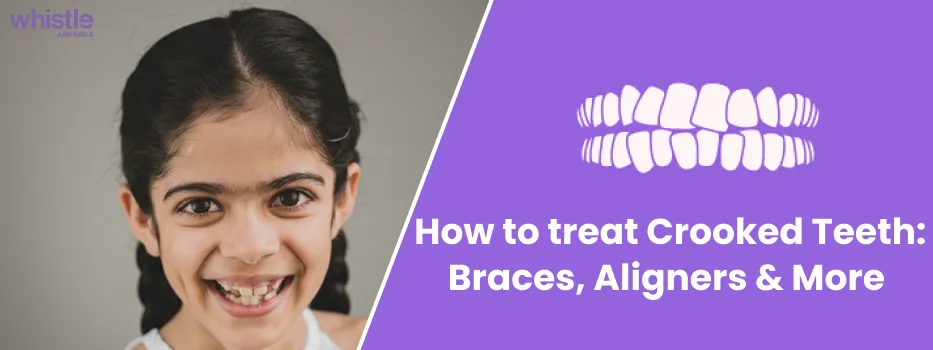
How to Treat Crooked Teeth: Clear Aligners, Braces and Clinical Solutions
 Medically Reviewed by Whistle Dental Team
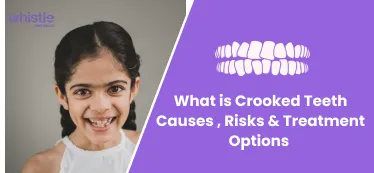
Crooked teeth treatment involves realigning misaligned, crowded, or overlapping teeth (dental malocclusion) to restore proper bite function and smile harmony. Main treatment options include removable Whistle clear aligners for discreet alignment, self-ligating braces, and traditional fixed metal braces.
While cosmetic procedures like porcelain veneers offer quick visual results by masking misalignment, they require shaving away healthy enamel without moving tooth roots.
Key Takeaways:
- Biological Movement: True orthodontic correction moves both the visible tooth crown and the underlying biological root through controlled alveolar bone remodeling.
- Primary Modalities: Modern treatment options include discreet clear aligners, low-friction self-ligating braces, and durable traditional metal braces.
- Oral Health Beyond Cosmetics: Aligning crooked teeth eliminates tight plaque traps, reduces gum inflammation, prevents abnormal enamel chipping, and relieves temporomandibular joint (TMJ) strain.
- Addressing Gaps (Diastema): When crowding alternates with spacing, targeted clear aligners gently consolidate arch space to reduce gaps between teeth naturally.
- Why In-Clinic Supervision Matters: Mail-order DIY kits lack radiographic bone assessment and physical doctor oversight, creating severe risks of gum recession and unguided root resorption.
Orthodontic treatment relies on bone remodeling biology, where osteoclasts dissolve bone on the pressure side and osteoblasts rebuild bone on the tension side under physical orthodontist supervision at a Whistle partner clinic.
How Crooked Teeth Affect Your Smile
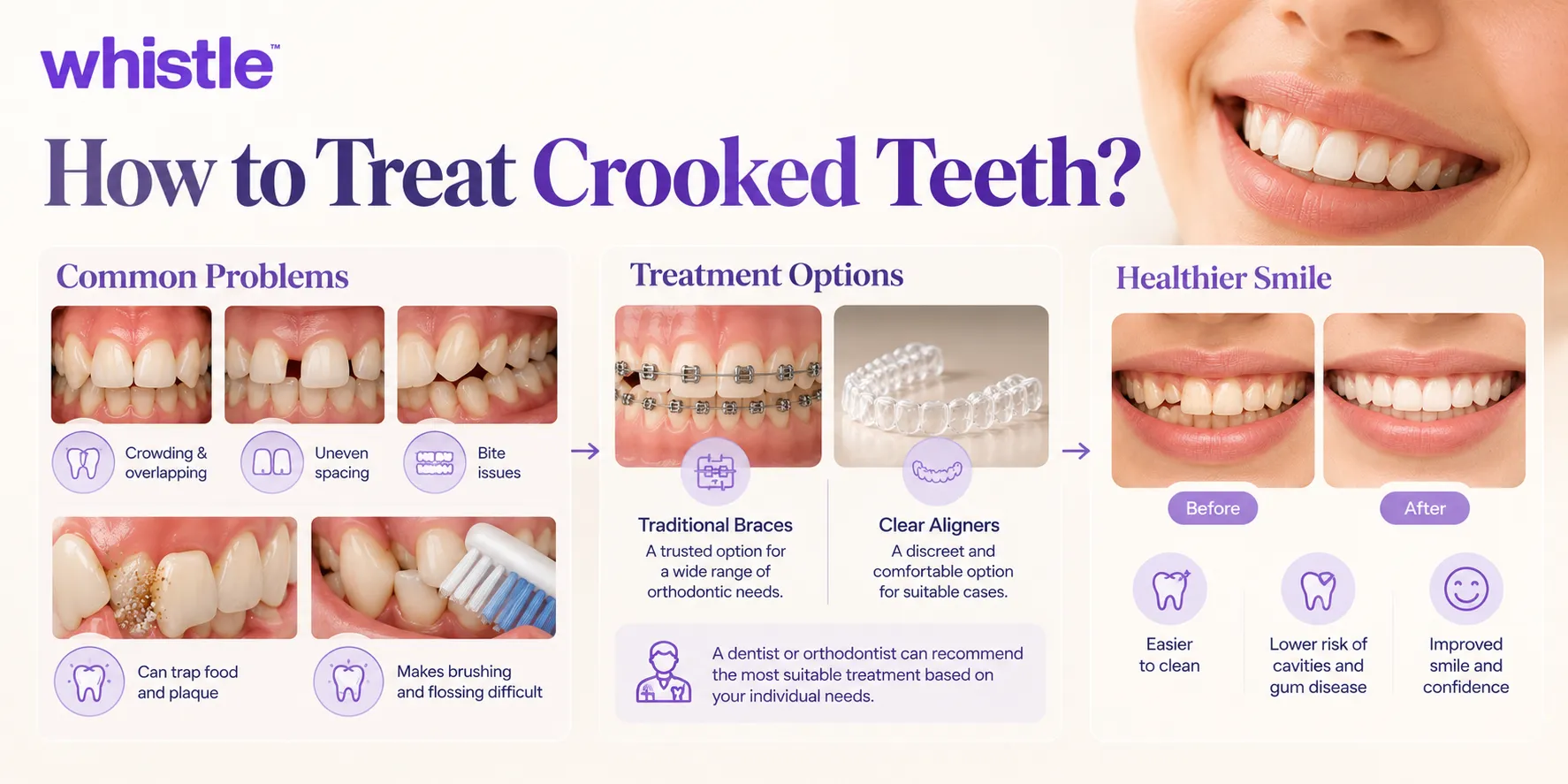
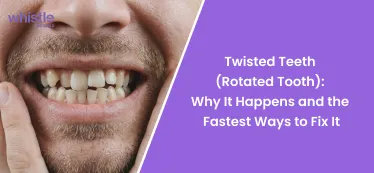
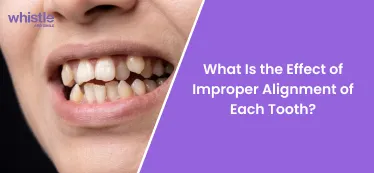
- Making your smile appear uneven or less symmetrical.
- Trapping plaque and food particles, making brushing and flossing more difficult.
- Increasing the risk of tooth decay, gum disease, and persistent bad breath.
- Causing uneven tooth wear due to an improper bite.
- Leading to jaw discomfort, TMJ problems, or difficulty chewing in severe cases.
- Affecting self-confidence, especially when smiling, speaking, or posing for photographs.
Orthodontic treatments such as braces and clear aligners gradually move teeth into their correct positions, helping improve smile symmetry, bite function, and oral health while making it easier to maintain good dental hygiene.
What biological factors cause crooked teeth?
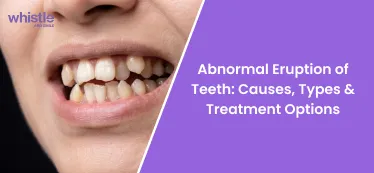
Crooked teeth occur when there is an imbalance between the size of your jawbones and the size of your teeth. When permanent teeth erupt into a jaw arch that lacks sufficient space, they rotate or push past neighboring teeth into whatever space is available. Primary clinical causes include:
Understanding Crooked Teeth and Types of Malocclusion
| Malocclusion Pattern | Clinical Manifestation | Primary Functional Impact | Standard Clinical Approach |
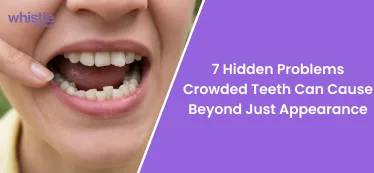
| Dental Crowding | Teeth overlap, rotate, or displace inward/outward due to arch constriction. | Creates inaccessible plaque traps; accelerates gingivitis and interdental caries. | Arch expansion, interproximal reduction (IPR), clear aligners, or braces. |
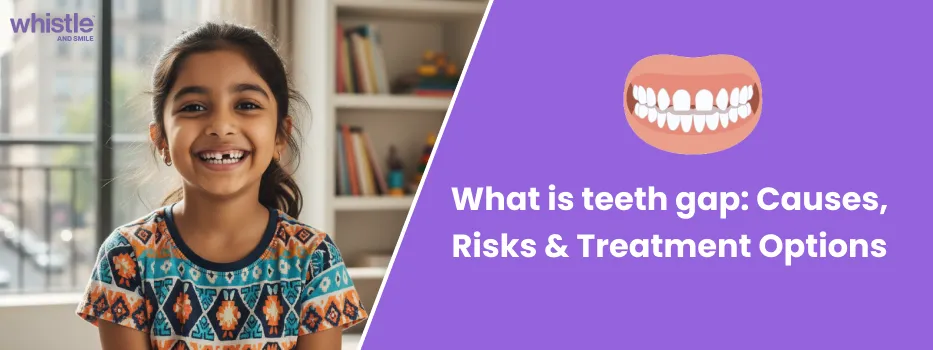
| Spacing and Diastema | Excess space between teeth, frequently between the two upper central incisors. | Food impaction, periodontal pocketing, and speech lisping. | Space consolidation using clear aligners or light braces; frenectomy if labial frenum is fibrous. |
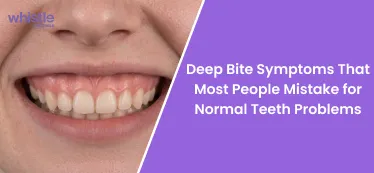
| Overbite (Deep Bite) | Upper front teeth overlap lower front teeth vertically by more than 30% to 50%. | Lower incisors bite into the palatal mucosa; causes severe incisal edge attrition. | Incisor intrusion, molar extrusion, bite ramps with clear aligners, or orthodontic elastics. |
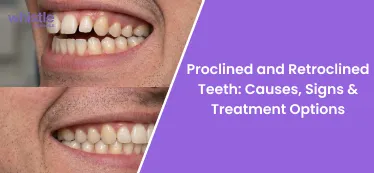
| Overjet ("Buck Teeth") | Upper front teeth protrude horizontally forward beyond lower incisors. | Increased vulnerability to traumatic dental injuries; lip incompetence. | Sagittal retraction with clear aligners, Class II elastics, or functional appliances. |
| Underbite (Class III) | Lower jaw and lower front teeth extend forward past the upper front teeth. | Chewing compromise, facial asymmetry, and heavy stress on temporomandibular joints. | Class III mechanics, skeletal expansion, or combined orthognathic surgery in severe adult cases. |
| Crossbite | One or more upper teeth bite inside the lower teeth (anterior or posterior). | Asymmetrical jaw growth, unilateral chewing habits, and localized gum recession. | Rapid palatal expansion in children; torque correction via clear aligners or fixed braces. |
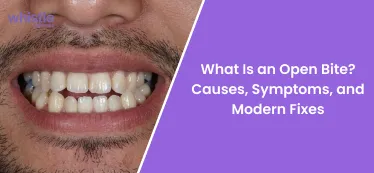
| Open Bite | Front teeth fail to meet when back molars bite together, leaving an open vertical gap. | Inability to shear food with front teeth; tongue-thrust swallowing; speech changes. | Molar intrusion using clear aligners or temporary anchorage devices (TADs); myofunctional therapy. |
Why get crooked teeth treatment beyond aesthetic confidence?
Benefits of Treating Crooked Teeth Beyond Appearance
In recent years, pop culture and social trends (such as Japan's Yaeba trend, where slightly overlapping upper canines are seen as youthful and cute) have celebrated unique, naturally "attractive crooked teeth" smiles.
Modern treatment with Whistle clear aligners allows patients to achieve a healthy, functional bite while preserving the natural, non-artificial beauty of their unique smile.
Orthodontic science provides distinct treatment modalities tailored to patient age, malocclusion complexity, and lifestyle preferences:
1. Custom Clear Aligners (Discreet, Removable Alignment)
Clear aligners represent a major advancement in adult and teenage orthodontics. Custom-thermoformed from medical-grade multi-layer polyurethane, these transparent trays fit snugly over dental crowns. Each sequential aligner in the series applies calibrated, gentle forces to guide specific teeth by 0.2 to 0.25 millimeters per stage.
- Key Advantages: Virtually invisible aesthetics; zero sharp brackets or poking wires; completely removable for eating, drinking, brushing, and flossing; requires fewer emergency clinic visits.
- Clinical Indication: Mild to complex crowding, spacing, deep bites, and crossbites. Transparent fee frameworks range from Rs. 60,000 to Rs. 2.5 Lakhs with flexible monthly EMI options depending on case complexity.
2. Self-Ligating Braces (Advanced Low-Friction Hardware)
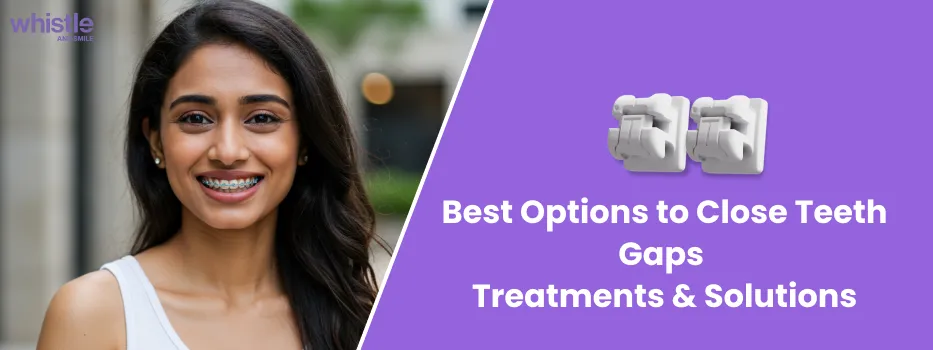
Self-ligating braces utilize specialized metal or ceramic brackets equipped with a built-in sliding door mechanism that holds the archwire in place without elastomeric rubber bands.
- Key Advantages: Significantly reduced friction allows teeth to slide more freely; easier to keep clean than traditional elastic ties; available in tooth-colored ceramic for reduced visual prominence.
- Clinical Indication: Moderate to severe crowding, complex rotations, and severe skeletal bite corrections. Standard pricing frameworks range from Rs. 45,000 to Rs. 70,000 with flexible monthly EMI options.
3. Traditional Metal Braces (Time-Tested Mechanical Control)
Traditional fixed appliances use high-grade medical stainless steel brackets bonded to each tooth, connected by nickel-titanium and stainless steel archwires secured with colored elastomeric ligatures.
- Key Advantages: Exceptional tensile strength, robust mechanical control for complex root torqueing, and cost-effectiveness.
- Clinical Indication: Severe malocclusions, impacted canine exposures, and multi-directional skeletal discrepancies.
4. Interceptive Orthodontics for Children
For children aged 7 to 11, interceptive treatments utilize palatal expanders, partial braces, or habit-breaking appliances. Taking advantage of active craniofacial growth centers broadens the dental arch and creates space naturally, often preventing the need for permanent tooth extractions later in life.
Why Treat Crooked Teeth Beyond Aesthetic Confidence?
While achieving a confident, harmonious smile is deeply rewarding, treating crooked teeth is fundamental to long-term oral and systemic health:
1. Eliminating Plaque Traps and Preventing Periodontal Disease
Overlapping, crowded teeth create tight triangular crevices that toothbrush bristles and dental floss cannot effectively clean. Undisturbed bacterial plaque in these stagnation areas hardens into dental calculus (tartar), causing chronic gingivitis, bleeding gums, bone loss, and premature tooth mobility.
2. Preventing Abnormal, Uneven Enamel Attrition
When teeth do not interdigitate correctly, chewing forces are distributed unevenly. Isolated teeth bear excessive occlusal loads, causing micro-fractures, chipped incisal edges, abfraction lesions near the gumline, and accelerated enamel wear.
3. Alleviating Temporomandibular Joint (TMJ) Stress
An unbalanced bite forces the masticatory muscles (masseter and temporalis) to overcompensate during chewing. This chronic muscular hyperactivity radiates into the temporomandibular joint, triggering jaw clicking, myofascial pain, chronic neck tension, and tension headaches.
4. Improving Masticatory Function and Digestive Health
Properly aligned arches allow incisors to shear and molars to grind food efficiently into an easily digestible bolus, reducing gastric strain and promoting optimal nutrient absorption.
What to Expect During Clear Aligner Treatment
Your Whistle journey begins with a high-definition 3D intraoral scan of your teeth and jaws at a Whistle partner clinic. Advanced treatment planning software plots the precise micro-movement of each tooth from start to finish.
Throughout your treatment, you wear a series of custom 3-layer polyurethane aligners. Because Whistle aligners have zero sharp metal brackets or poking wires, they are smooth, comfortable, and virtually invisible.
You remove your aligners to eat, drink, brush, and floss normally, keeping your teeth clean and stain-free.
Also Read:
Common Mistakes Orthodontists Often See
In clinical practice, orthodontists frequently observe patient habits that compromise their alignment results. Here are five common mistakes to avoid:
- Choosing Quick Veneers Over Orthodontics: Shaving away healthy enamel on young teeth to mask crowding instead of moving roots safely with aligners.
- Attempting DIY Home Straightening: Placing rubber bands around teeth or using direct-to-consumer mail-order trays that strangle root blood supply and cause tooth loss.
- Ignoring Childhood Mouth Breathing: Neglecting enlarged adenoids or mouth breathing in children, allowing narrow upper jaws to develop unchecked.
- Skipping Interdental Brushes with Braces: Cleaning only bracket fronts with a manual toothbrush, leaving plaque trapped under archwires.
- Failing to Wear Post-Treatment Retainers: Stopping retainer wear after treatment, allowing elastic fibers in the periodontal ligament to pull teeth back into crowded positions.
Daily care routine to maintain straight teeth after treatment
- Wear Custom Retainers as Prescribed: Wear your clear retainers nightly to hold teeth firmly in their new bone positions while surrounding tissue stabilizes.
- Clean Retainers Daily: Rinse clear retainers with lukewarm water and clean them with a soft toothbrush or specialized cleaning tablets.
- Practice Thorough Interdental Hygiene: Floss daily and brush twice a day to prevent plaque accumulation between tightly aligned teeth.
- Schedule Bi-Annual Dental Cleanings: Visit a Whistle partner clinic every 6 months for professional scaling and check-ups.
Your Next Steps
Understanding crooked teeth treatment helps you make informed, confident choices about your oral health and smile aesthetics.
Remember, crooked teeth are not just a cosmetic concern; addressing misalignment prevents plaque accumulation, enamel wear, and jaw joint discomfort.
Ready to see how smooth your smile transformation could be? Book a free Whistle Smile Assessment at your nearest Whistle partner clinic today.
Also Read:
- What is Buck teeth: Causes, Risks & Treatment Options
- What Happens If You Keep Delaying Braces or Aligners?
- Biting Teeth in Sleep: Causes, Symptoms and Treatments
Book 3D Teeth Scan
Consult our experts and get a 3D preview of your smile transformation!
treat Crooked Teeth
FAQ's
Q1.How to treat Crooked Teeth?
Crooked teeth can be treated with braces, clear aligners, or retainers, depending on severity. In mild cases, aligners gradually shift teeth, while braces correct complex misalignments. Early orthodontic care helps prevent complications. Consulting an orthodontist ensures the right treatment plan for a healthy, straight, and confident smile.
Q2.What is the best crooked teeth treatment for adults in India?
The best crooked teeth treatment for adults is custom clear aligners like Whistle aligners. They offer a virtually invisible, comfortable, and removable solution that fits seamlessly into professional lifestyles.
Q3.Can you fix a crooked teeth smile without fixed metal braces?
Yes, mild to moderate crowding and spacing can be fixed completely without fixed metal braces using custom removable clear aligners under doctor supervision.
Q4.How long does crooked teeth treatment take with clear aligners?
Clear aligner treatment typically takes 6 to 18 months, depending on case complexity and daily wear-time compliance (20 to 22 hours daily).
Q5.What happens if you leave severely crowded teeth untreated?
Leaving severely crowded teeth untreated leads to plaque accumulation, gum disease (periodontitis), uneven enamel wear, chipped teeth, and chronic jaw muscle strain (TMJ pain).
 Medically Reviewed by Whistle Dental Team

 Medically Reviewed by Whistle Dental Team

 Medically Reviewed by Whistle Dental Team