


What are
Teeth Gaps?
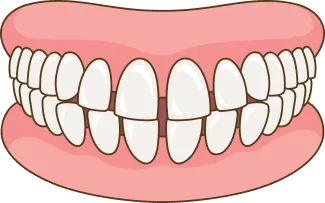
Teeth gaps refer to spaces between two or more teeth. These gaps can occur anywhere in the mouth, most commonly between the upper front teeth (called midline diastema), but also between premolars or across the entire dental arch. They may be tiny hairline spaces or wide visible separations, and can appear in both children and adults.
Why Do Teeth Gaps Occur?
Teeth gaps develop due to multiple factors, and identifying the cause helps plan the right treatment.
Common reasons include:
Types of
Teeth Gaps
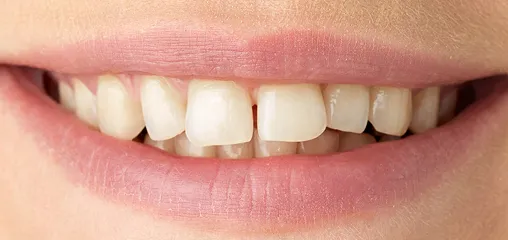
1. Midline gap
Single distinctive gap between the two upper front teeth
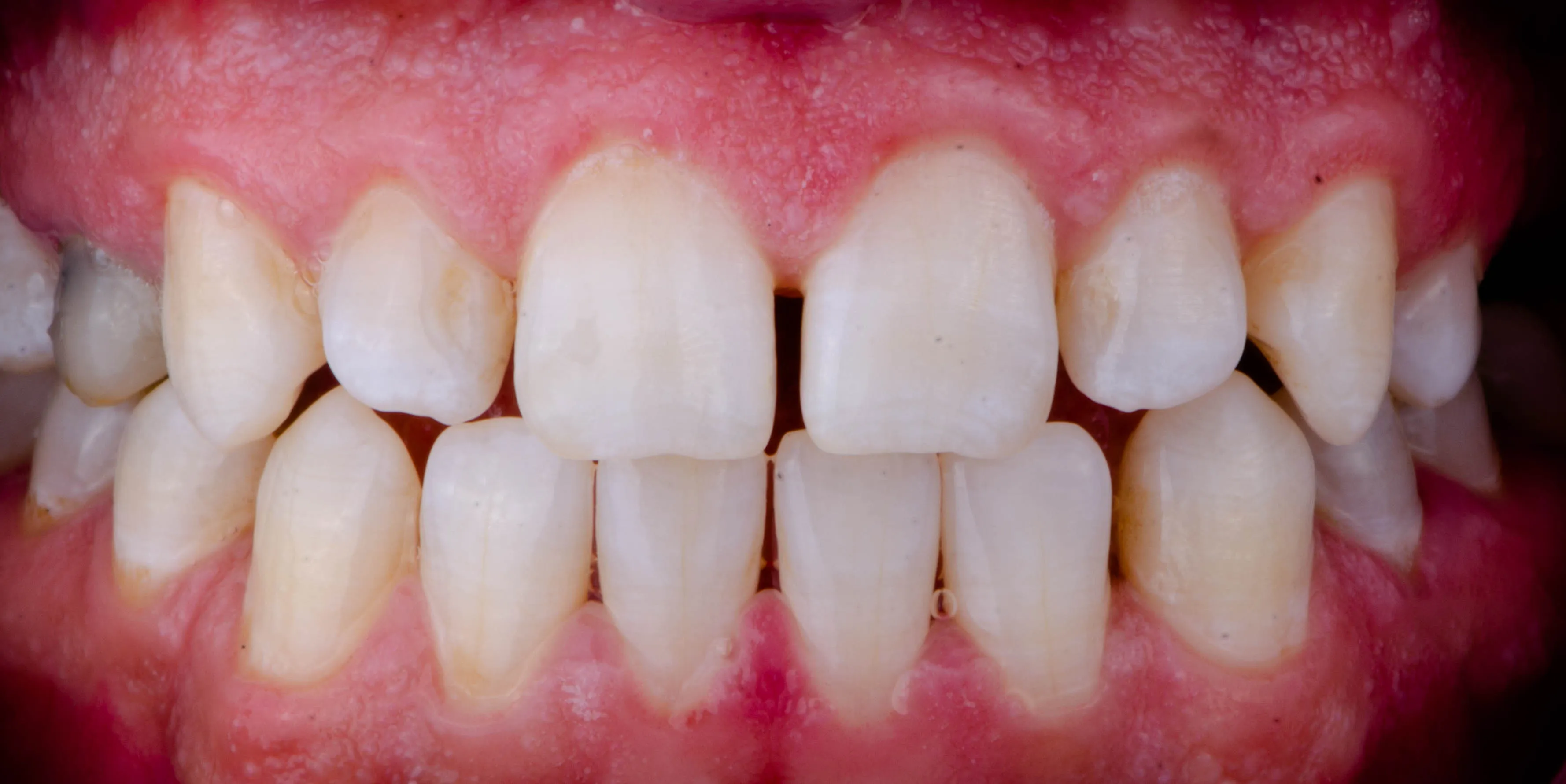
2. Generalised spacing
Several uniform gaps across the arch
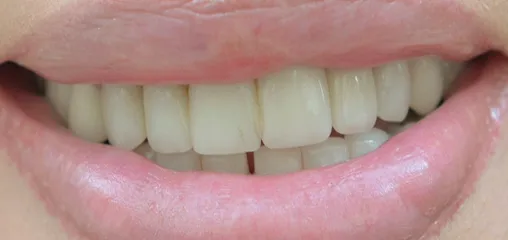
3. Single tooth gap
Single tooth gap seen between any teeth due to smaller size tooth, rotated tooth etc.
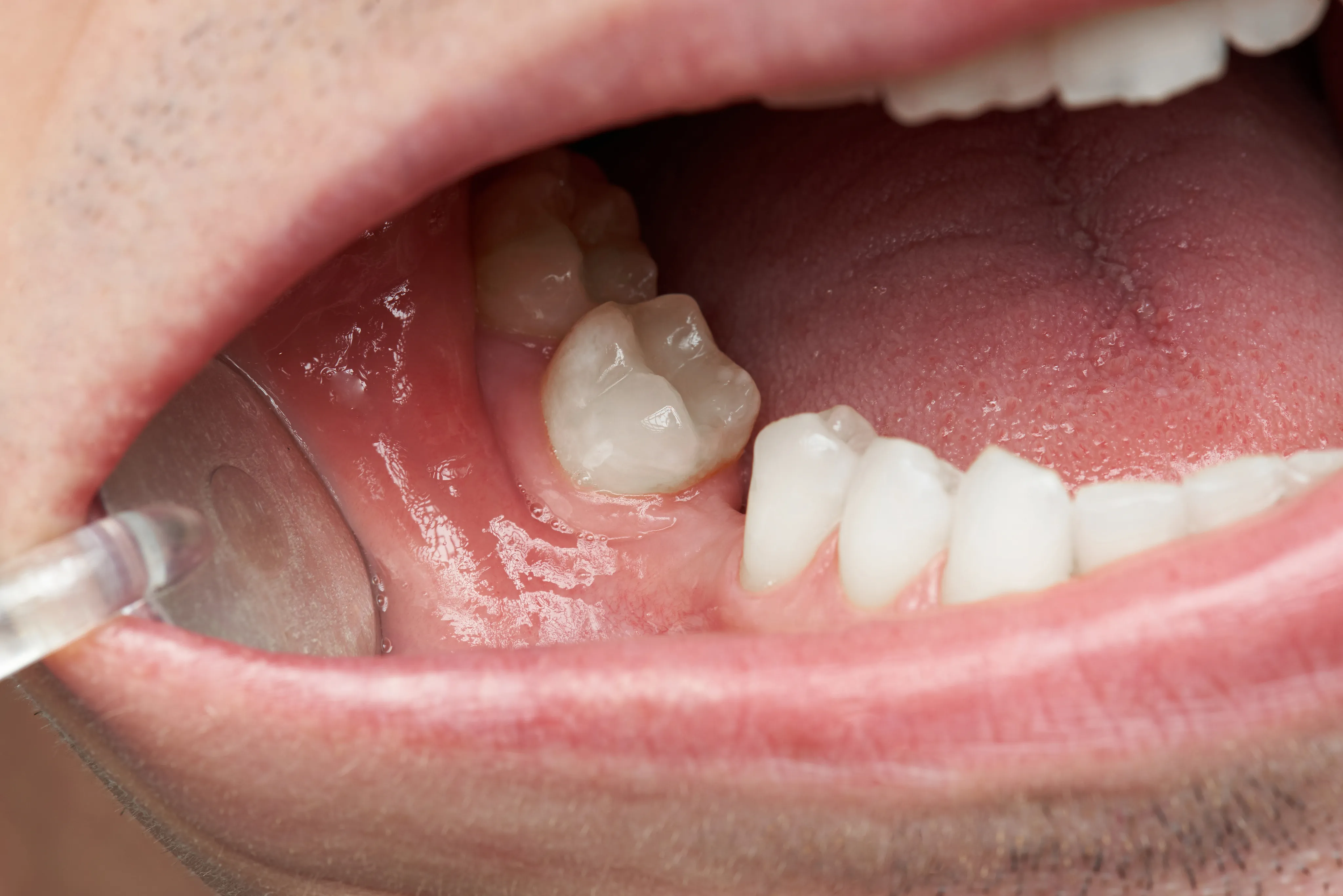
4. Gaps from missing teeth
Spaces left after tooth loss
Effects of Having Teeth Gaps?
Teeth gaps are not always harmless. If left untreated, they can gradually impact your oral health and overall function.
Potential issues include:
How to Know If Your Teeth Gap Needs Treatment
You may need treatment if you notice:
Why Should Teeth Gap Be Fixed?
Teeth gaps develop due to multiple factors, and identifying the cause helps plan the right treatment.
More than cosmetic:
While many seek treatment for aesthetic reasons, correcting gaps strengthens oral health and supports long-term dental stability.
Closing teeth gaps is primarily an orthodontic procedure. An orthodontist evaluates the size, cause, and pattern of spacing, along with your bite, jaw growth, and overall dental health to determine the most suitable treatment. Depending on your needs, one or more of the following solutions may be recommended.
Treatment Options to
Fix Teeth Gaps
Orthodontic Treatment OptionAligners
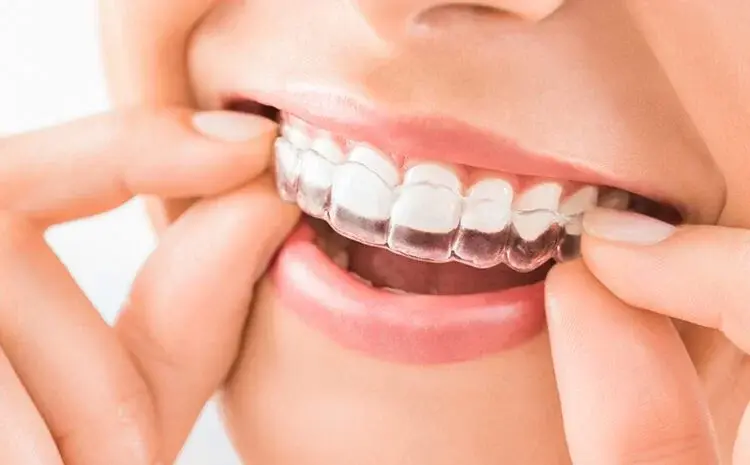
Clear, removable trays that gradually move teeth and close gaps with controlled, digitally planned movements.
Best For: Mild to severe spacing with predictable alignment needs and no major bite issues.
Braces
Metal or ceramic braces that offer precise control over tooth and root movement.
Best For: Moderate to severe gaps, complex spacing, or when bite correction is also required.
Some spacing cases benefit from supportive or cosmetic procedures along with orthodontic treatment.
Frenectomy
A minor procedure to release an oversized labial frenum (the tissue between the front teeth) that may be preventing gap closure.
Veneers
Thin porcelain or composite shells applied to the tooth surface to mask very small gaps or reshape teeth cosmetically.
Note: Veneers do not correct alignment; they only provide an aesthetic solution when the underlying bite is healthy.
Orthodontic + Surgical Correction
Rarely needed; used only in skeletal or jaw-related spacing where orthodontics alone cannot achieve ideal results
Pediatric Orthodontic Appliances
For children whose spacing is linked to developing jaws or oral habits. These guide proper growth and prevent gaps from worsening.
Habit correctors:Help manage tongue thrusting or thumb sucking which can create or widen gaps.
Jaw/bite expanders:Create space and correct early arch discrepancies that may contribute to future spacing.
Treatment Duration
Most teeth gaps can be corrected within a few months, but timelines vary.
Typical duration:
What affects treatment time:
Difference in Treatment Approaches
Your orthodontist will recommend aligners, braces, or a combination based on your specific spacing pattern and bite needs. Aligners are chosen for predictable movement, comfort, and aesthetics. Braces are preferred when stronger control is required to close large gaps or rotate teeth.
Why doctors may recommend one over the other:
ALIGNERS VS BRACES
for Teeth Gaps
| Feature | Aligners | Braces |
|---|---|---|
| Visibility | Nearly invisible | Visible (metal/ceramic) |
| Convenience | Removable | Fixed, always active |
| Comfort | Smooth, no wires | May cause mild irritation |
| Gap Closure | Ideal for mild?moderate gaps | Works for all gap sizes |
| Bite Correction | Limited, depends on complexity | Strong bite control |
| Hygiene | Easy to maintain | Needs extra care |
| Compliance | Must wear 20?22 hrs/day | Always working |
Understanding Teeth Gap
Treatment Pricings
Orthodontic treatment costs vary depending on the type of appliance, the technology involved, treatment complexity, and the level of customization required. Here?s a simple breakdown to help you understand how different orthodontic options are priced and why their costs differ.
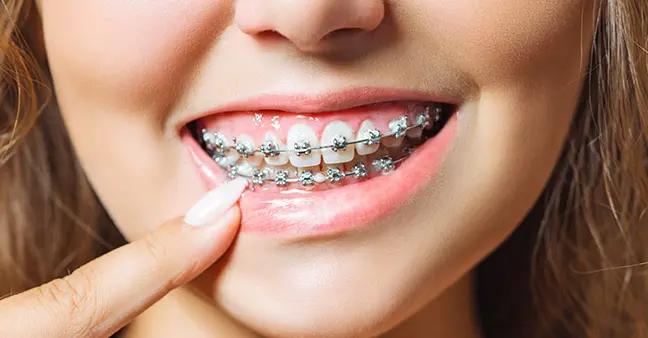
Conventional Brace
(Metal or Ceramic)
Conventional braces are usually the most affordable orthodontic option. They use brackets and elastic ties to hold the wire in place, gradually moving teeth to close gaps.
Why they are priced lower
Ceramic braces may cost slightly more than metal due to tooth-coloured or clear brackets that improve aesthetics.
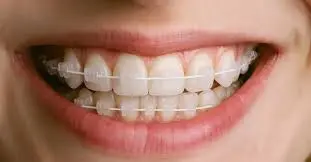
Self-Ligating Braces
Self-ligating braces use special brackets that hold the wire without elastic ties. This design offers smoother tooth movement and requires fewer additional components.
Why they cost more than conventional braces
Patients often choose them for enhanced comfort and reduced chair-time.
Clear Aligners
Aligners are transparent, removable trays custom-made for each stage of tooth movement. They are typically the premium-priced option due to the enhanced comfort offered by aligners and personalized manufacturing.
Understanding the Cost of Clear Aligners
Patients often choose them for enhanced comfort and reduced chair-time.
Aligners may cost more or less depending on
Factors That Influence Overall Orthodontic Pricing
Regardless of the appliance type, several elements contribute to the total cost
Book an At-Home 3D Scan
Consult our experts and get a 3D preview of your smile transformation!
Role of Digital Dentistry &
AI in Orthodontic Precision
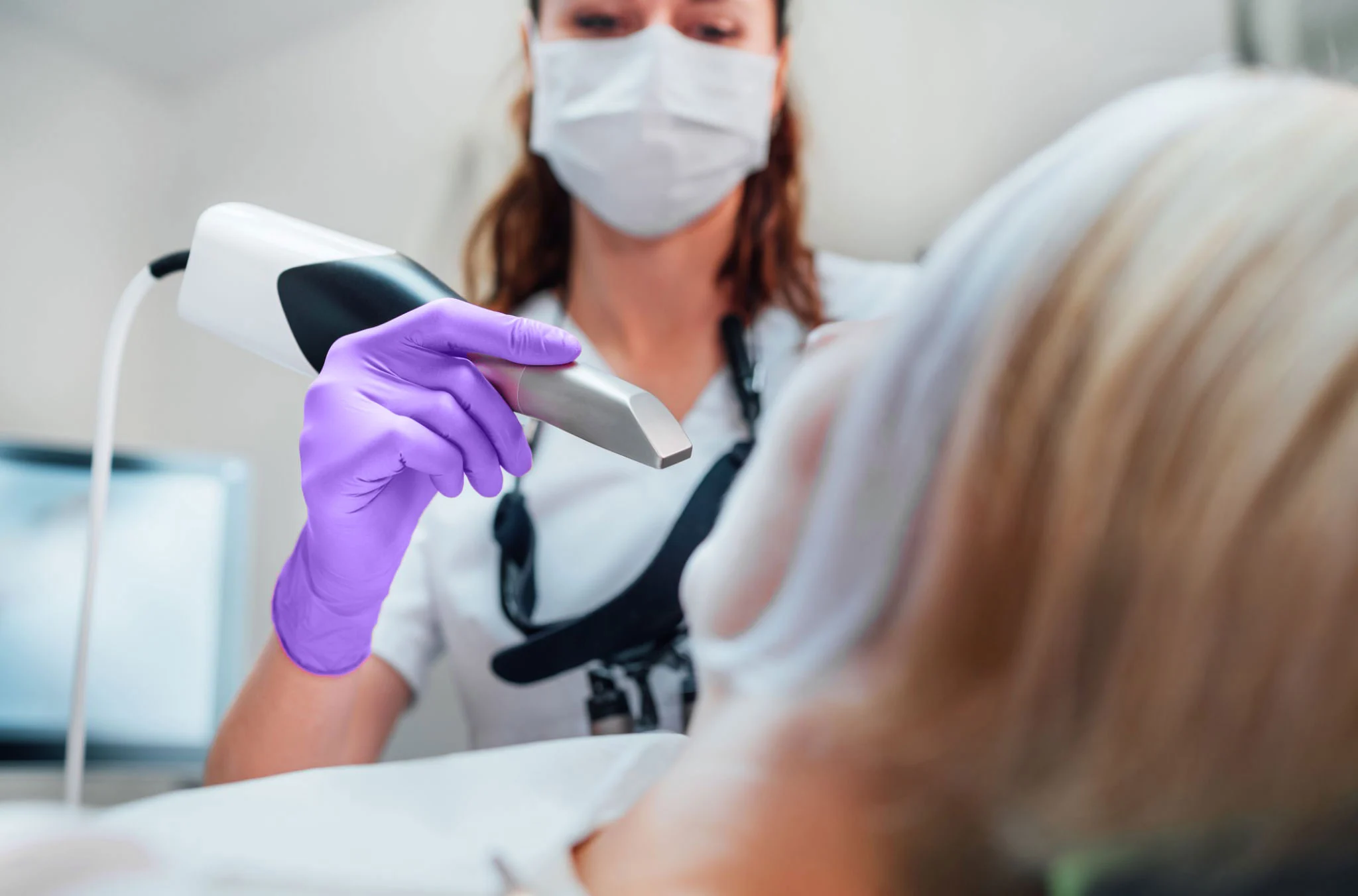
Modern orthodontics has become significantly more accurate, predictable, and comfortable thanks to digital dentistry and AI-driven planning. Every stage of treatment from diagnosis to the final retainer is supported by advanced technology that helps orthodontists make data-backed decisions and deliver more reliable outcomes.
Why digital orthodontics matters
This precision is especially important in spacing cases, where even a small error in movement direction can affect aesthetics, bite, and long-term stability.
Understanding How Digital Dentistry Is Used at Each Step of Teeth Gap Treatment
Digital tools enhance every stage of your orthodontic journey. Here's how
Digital 3D Scan & Assessment
Instead of traditional impressions, a high-resolution intraoral scanner creates a 3D model of your teeth and bite.
Technology advantages:
- Captures exact gap size and tooth angulation
- Enables accurate diagnosis of spacing patterns
- Allows orthodontists to zoom, rotate, and analyse each tooth
- Provides the baseline for AI planning
Appliance Selection & Digital Customisation
Based on the digital analysis, your orthodontist recommends the best treatment aligners, braces, or supporting procedures.
Technology advantages:
- Aligners are digitally designed for exact fit and force distribution
- Braces planning includes digital bracket positioning for better fit, shorter chair time appointments and precise tooth movements
- Helps doctors anticipate how appliances will interact with your bite
This ensures the chosen appliance is not just suitable, it is precisely calibrated to your case.
Completion, Retainers & Long-Term Digital Monitoring
After gaps are closed, retainers ensure teeth remain stable.
Technology advantages:
- Retainers may be fabricated from the final digital scan
- Digital comparison tools track even minor relapse
- Enables long-term monitoring with high precision
AI-Powered Treatment Planning
AI algorithms analyse your digital scan and help orthodontists design a movement plan tailored to your teeth.
Technology advantages:
- Predicts movement pathways for each tooth
- Simulates gap closure stages step-by-step
- Shows expected results before treatment begins
- Improves accuracy in estimating timelines
- Enhances safety by avoiding risky movement directions
Aligner Treatment (Digitally Directed Movement)
Aligners follow a digitally mapped sequence of movements.
Technology advantages:
- Each aligner stage is manufactured based on AI predictions
- Tooth movement is monitored digitally throughout treatment
- Allows early detection if progress deviates from plan
- Ensures smooth, controlled closure of spaces
Braces Treatment (Digitally Guided Adjustments)
Even with braces, treatment benefits from digital planning.
Technology advantages:
- Digital bracket positioning improves accuracy
- Wire sequences are chosen based on tooth movement simulations
- Progress scans help guide adjustments
- Provides orthodontists with real-time insights into how gaps are closing
By combining digital scans, AI simulations, and precision-engineered appliances, modern orthodontics ensures that teeth gap treatments are more predictable, safer, and significantly more accurate than ever before.
Care & Precaution During Teeth Gap Treatment
General Orthodontic Care
Good daily care helps your treatment progress smoothly and prevents delays. Keep your teeth clean with regular brushing and flossing, avoid hard or sticky foods that can stress teeth or appliances, and stay consistent with follow-up visits. If you have habits like tongue thrusting or thumb sucking, managing them is important as they can slow movement or cause gaps to reopen.
Aligners Care
Braces Care
Good care keeps treatment on track and ensures your gaps close smoothly and safely.
Retention & Avoiding Relapse
A thin wire bonded behind the teeth to maintain space closure.
Clear retainers worn daily or at night for long-term stability.
If tongue thrusting caused the gap, exercises or therapy may be advised.
Periodic orthodontic reviews ensure the gap does not reopen.


