Orthodontics Isn’t Just About Straight Teeth — Here's What You Didn't Know
 Medically Reviewed by Whistle Dental Team
Most people hear orthodontics and immediately think: braces. Fair enough. That’s what we’ve grown up seeing. Wires, retainers, maybe some awkward school photos.
But here’s the thing: there’s a whole lot going on beyond just making teeth line up in a neat little row. What most people don’t realize is how much orthodontics actually intersects with overall health. Not just your mouth, but breathing, sleeping, chewing, and even things like posture and speech. Yes, it’s all connected.
Let’s start with something basic but overlooked: how you breathe.
A lot of people, especially kids, breathe through their mouths without even realizing it. Why? Because their upper jaw is too narrow to allow proper airflow through the nose. This isn't just about being "a mouth breather" Chronic mouth breathing can mess with sleep, focus, and even facial development over time. In young kids, that can snowball into more issues later.
Jaw Joints Get Affected Too
Ever get random headaches? Or a weird clicking sound near your ear when you chew or yawn?
Your jaw joint, called the TMJ (Temporomandibular Joint) takes a beating when your bite is off. If the teeth don’t meet correctly, the jaw has to make little compromises every time you talk or chew. Over time, that leads to strain, muscle tension, and for some people, daily discomfort they chalk up to “just stress.”
But often, it’s structural. And orthodontic care can help redistribute that force, easing pressure without you even realizing it was happening.
Speech Gets Caught in the Mix
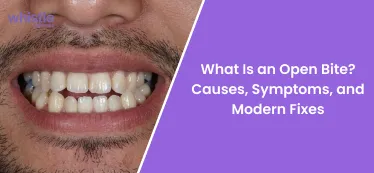
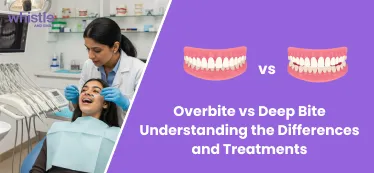
Not always, but often enough, the way your teeth are positioned affects how clearly you speak. Sounds like “s” and “sh” or “th” need space and alignment to come out clearly. A big overbite or open bite can mess with that.
You wouldn’t believe how many people feel more confident speaking up after correcting their bite.
Starting Early Can Save Time and Trouble
Here’s something most parents don’t hear early enough: your child doesn’t need to wait until all adult teeth are in to see an orthodontist.
In fact, early checks, around age 7 can help guide things before they become problems. Maybe there’s crowding coming. Maybe the jaw’s not growing evenly. Sometimes, early tweaks avoid the need for surgery or tooth removal later. It’s more about guiding growth than “fixing” anything.
Final Thought
So no, orthodontics isn’t merely about achieving a picture-perfect smile. It’s a medically grounded discipline focused on improving essential bodily functions. Proper alignment of the teeth and jaws can significantly enhance airway flow, support deeper and more restorative sleep, improve bite efficiency, and prevent chronic issues such as jaw pain, neck strain, and even certain types of headaches.
By addressing underlying structural concerns early, orthodontics contributes meaningfully to long-term wellness, making it a vital yet often underappreciated pillar of preventive healthcare.
Also Read:
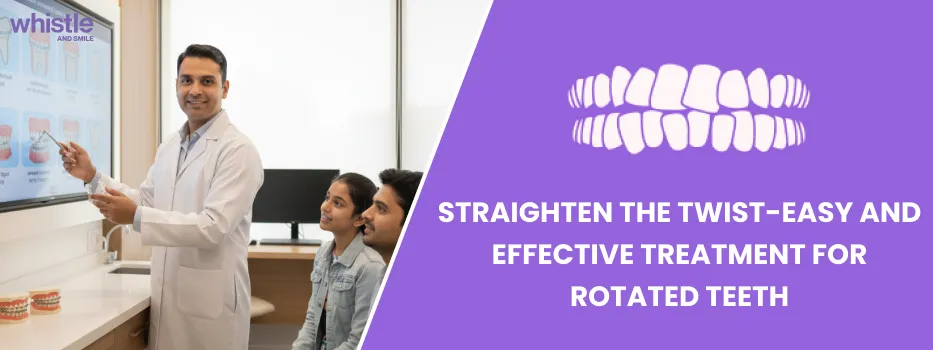
Sraighten the Twist-Easy and Effective Treatment for Rotated Teeth
 Medically Reviewed by Whistle Dental Team
 Medically Reviewed by Whistle Dental Team

 Medically Reviewed by Whistle Dental Team