
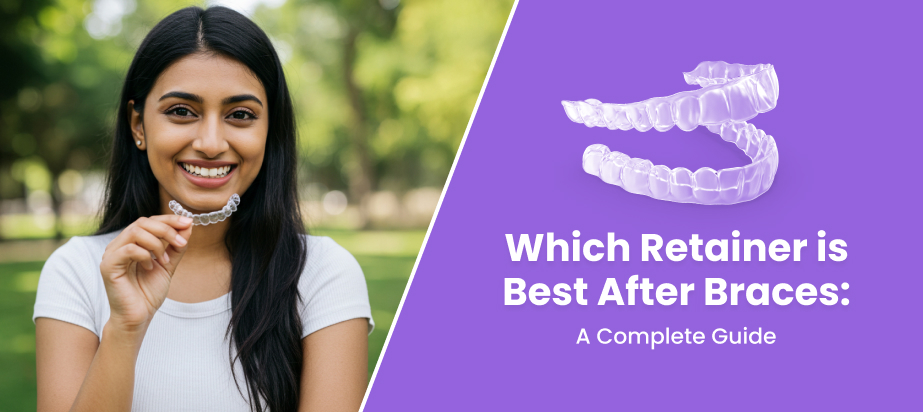
Which Retainer is Best After Braces: A Complete Guide
 Medically Reviewed by Whistle Dental Team
- Retention is Lifelong: Braces move your teeth, but retainers keep them there. Without retention, elastic periodontal fibers and natural aging will cause teeth to drift back (orthodontic relapse).
- The 3 Main Types: The primary retainer kinds are clear plastic retainers (discreet & comfortable), Hawley wire-acrylic retainers (durable & adjustable), and permanent bonded lingual wires (invisible 24/7 protection).
- Most Durable Option: Hawley retainers remain the most long-lasting durable removable retainer (5 to 10 years), whereas clear retainers typically require replacement every 1 to 3 years.
- The Dual-Retention Gold Standard: Combining a permanent bonded wire on the lower anterior teeth with a removable clear retainer on the upper arch provides maximum relapse protection.
- All-Inclusive Whistle Coverage: Post-treatment retainers are included in all Whistle Self-Ligating Braces and Clear Aligner plans across 600+ physical partner clinics in India.
Many senior orthodontists recommend a dual approach: a bonded lower wire paired with a removable clear upper retainer. At Whistle partner clinics, retainers are fully included in all-inclusive braces (Rs. 45,000 to Rs. 70,000) and clear aligner packages (Rs. 60,000 to Rs. 1.75 Lakhs) with flexible EMI options.
Why Do You Need a Retainer After Braces? The Biology of Orthodontic Relapse
Types of Retainers: Which One is Right for You?
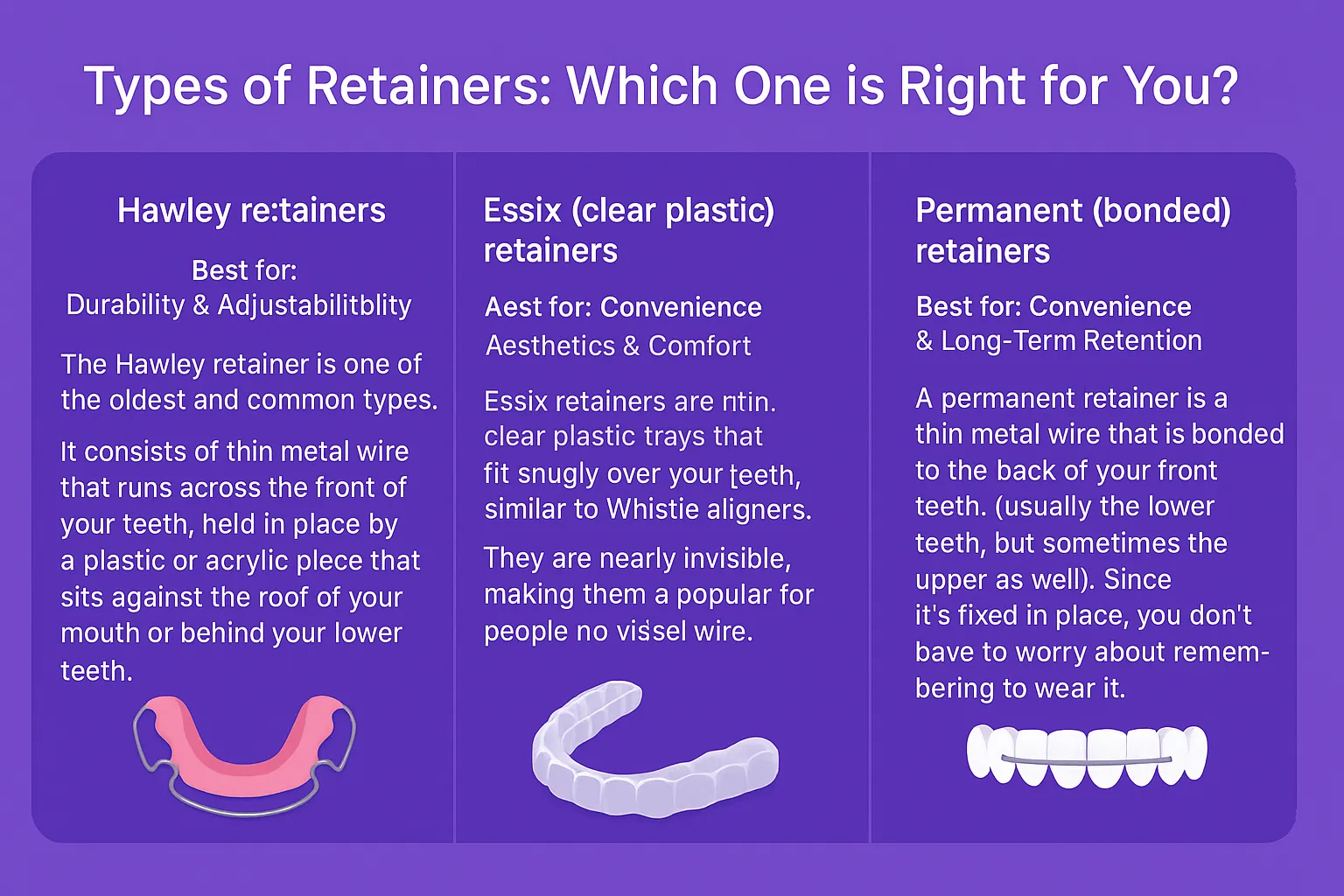
When evaluating the different kinds of retainers after braces and types of retainers for teeth after braces, orthodontic appliances are categorized into three main designs:
| Retainer Type | Material & Construction | Average Lifespan | Ideal Patient Profile |
| Clear Retainers (Essix / Whistle) | Medical-grade thermoformed transparent polyurethane | 1 to 3 Years | Patients demanding complete aesthetic discretion, night-time comfort, and full occlusal coverage. |
| Hawley Retainers (Wire & Acrylic) | Stainless steel labial bow embedded in medical acrylic baseplate | 5 to 10 Years | Patients prioritizing rugged durability, bite settle adjustability, or severe deep bite histories. |
| Fixed Bonded Permanent Retainers | Braided surgical stainless steel wire bonded to back of teeth | 3 to 8+ Years | High relapse risk cases (severe lower crowding, midline diastemas, or forgetful patients). |
What is the Best Long Durable Retainer? Deep-Dive Comparison
1. Clear Vacuum-Formed Retainers (Essix & Whistle Precision Retainers)
Clear retainers are custom-molded from precise 3D digital scans of your teeth, fitting like an ultra-thin glove over your dental arch.
- Key Advantages: Virtually invisible in social and professional settings; prevents teeth from shifting in all three planes of space; acts as a protective nightguard against mild nighttime teeth grinding (bruxism); extremely comfortable with zero acrylic covering the palate.
- Durability Considerations: Clear polymer can crack under heavy grinding, warp if exposed to hot water, or discolor over time. Expected lifespan is 1 to 3 years per set before requiring replacement.
2. Traditional Hawley Retainers (Wire & Acrylic)
The Hawley retainer has been the gold standard in clinical orthodontics for over a century. It features a custom-molded acrylic plate that rests against the roof of the mouth or lingual gums, connected to a sturdy metal wire across the front teeth.
- Key Advantages: Unmatched durability (routinely lasts 5 to 10 years with basic care); highly adjustable by your orthodontist if minor tooth movement occurs; allows the upper and lower chewing surfaces to touch naturally (occlusal settling).
- Durability Considerations: The front wire is visible when smiling; the acrylic plate covers the palate, which can cause a temporary speech lisp for the first 3 to 5 days.
3. Permanent Fixed Bonded Lingual Retainers
A permanent retainer consists of a customized medical-grade wire bonded directly to the lingual (tongue-facing) surfaces of your front six teeth using composite dental cement.
- Key Advantages: Zero compliance required; works 24/7 without remembering to insert trays; 100% invisible from the outside; exceptionally effective at stopping lower front teeth from relapsing.
- Durability Considerations: Requires meticulous hygiene with floss threaders or water flossers; biting into hard foods can debond a glue pad, requiring a quick clinic repair.
The Dual-Retention Protocol: Why Orthodontists Recommend Combining Retainers
- Lower Arch: Lower Arch ended permanent wire across the lower canine-to-canine teeth. The lower anterior teeth have the narrowest roots and highest lifetime relapse rate. A bonded wire ensures they never shift.
- Upper Arch: A removable clear Whistle retainer worn full-time for the first 3 to 6 months, transitioning to nightly wear thereafter. This protects upper alignment, maintains your smile arc, and keeps the roof of your mouth free of bulky acrylic during the day.
Orthodontist Observation Layer: 5 Critical Retainer Mistakes Patients Make
Daily Retainer Wear and Maintenance Schedule
- Months 1 to 3 (Full-Time Consolidation): Wear your removable retainers for 20 to 22 hours daily, removing them only for meals, hot drinks, and brushing.
- Months 4 to 6 (Gradual Transition): Transition to evening and night wear (12 to 14 hours daily) after your orthodontist verifies stable bone consolidation.
- Month 6 and Beyond (Nighttime for Lifetime): Wear your retainers every night while sleeping. This counteracts natural age-related mesial drift and keeps your smile permanently straight.
- Daily Cleaning Protocol: Rinse your retainers with cool water immediately upon removal. Soak them in a dental appliance cleaning solution 2 to 3 times per week to prevent tartar and calcium buildup.
Which Retainer Should You Choose?
The best retainer depends on your lifestyle and preferences.
- If you want durability and adjustability, go for a Hawley retainer.
- If you want something clear and comfortable, Essix retainers are a great choice.
- If you never want to worry about wearing a retainer, a permanent retainer is your best bet.
Many orthodontists recommend a combination: a permanent retainer for the lower teeth (since they are more prone to shifting) and a removable retainer for the upper teeth.
Braces might have done the heavy lifting, but your retainer is what keeps the results permanent.
Whether you choose a Hawley, Essix, or permanent retainer, the most important thing is consistency - because once teeth shift, it’s not easy to fix.
So, take care of your retainer, follow your orthodontist’s instructions, and enjoy your straight smile for years to come!
Also Read:
Book 3D Teeth Scan
Consult our experts and get a 3D preview of your smile transformation!
Which Retainer is Best After Braces
retainer after braces
retainers
types of retainers
FAQ's
Q1.Which retainer is best after braces for most patients?
For most patients, custom clear retainers (like Essix or Whistle clear retainers) are the best choice due to their invisible appearance, smooth comfort, and complete arch control. For high-relapse cases involving lower front crowding, combining a bonded permanent lower wire with a removable clear upper retainer offers the gold standard in stability.
Q2.How long do I have to wear a retainer after braces?
You should wear your retainer full-time (20 to 22 hours daily) for the first 3 to 6 months after braces are removed. Once your orthodontist verifies stable bone consolidation, you transition to wearing your retainer every night while sleeping for long-term retention.
Q3.Can a clear retainer straighten teeth if they have shifted slightly?
A clear retainer can correct very minor orthodontic relapse (under 0.5mm) if worn continuously for several days. However, if teeth have shifted noticeably, you will need a short series of clear aligners to restore proper alignment before making a new retainer.
Q4.How much do retainers cost in India?
At Whistle partner clinics, post-treatment retainers are fully included in our all-inclusive Self-Ligating Braces (Rs. 45,000 to Rs. 70,000) and Clear Aligner packages (Rs. 60,000 to Rs. 1.75 Lakhs). Standalone replacement retainers are available at standardized, affordable fees with flexible payment options.
Q5.Is a permanent bonded retainer better than a removable clear retainer?
Permanent retainers eliminate the risk of forgetting to wear your appliance and provide constant 24/7 protection for front teeth. However, they require careful flossing with floss threaders and only protect the bonded front teeth, whereas removable clear retainers protect the entire dental arch.
You May Also Like
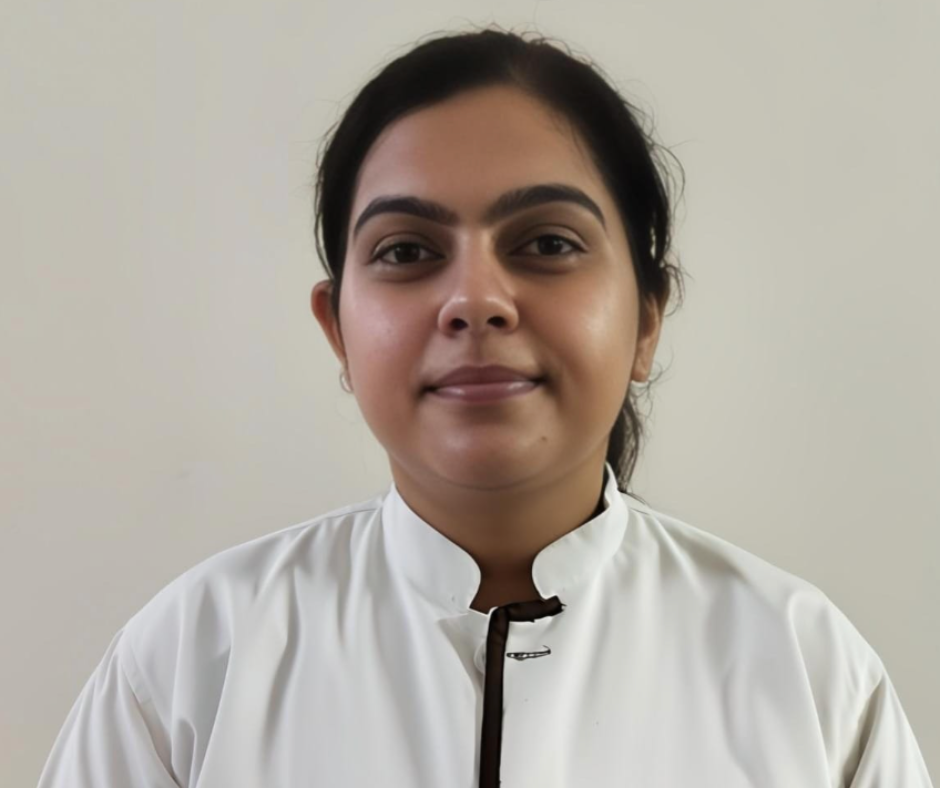
 Medically Reviewed by Whistle Dental Team



 Medically Reviewed by Whistle Dental Team
 Medically Reviewed by Whistle Dental Team