
Mouth Ulcers from Braces: Causes, Symptoms and Relief Tips
 Medically Reviewed by Whistle Dental Team
Getting braces is a step towards having healthy and good-looking teeth. Braces, whether they are metal or ceramic, help straighten teeth and fix bite problems.
Sometimes people who wear braces get mouth ulcers. These ulcers can be frustrating and painful as they can make it hard to eat, talk, and even feel comfortable.
Why Do Braces Cause Mouth Ulcers?
Mouth ulcers from braces usually happen because of irritation. This is different from ulcers that are caused by being sick or not eating well. The irritation comes from the braces rubbing against the inside of the mouth.
When you get braces, there are a lot of things that are put inside your mouth, which can take time to get adjusted. The brackets, wires, and bands can rub against your cheeks, which can cause injuries. Over time, these injuries can turn into ulcers. This often happens when you first get braces, and your mouth is still getting used to them.
The inside area of your mouth is very sensitive. When it gets irritated over and over, it can form ulcers.
Where Do Mouth Ulcers Usually Happen?
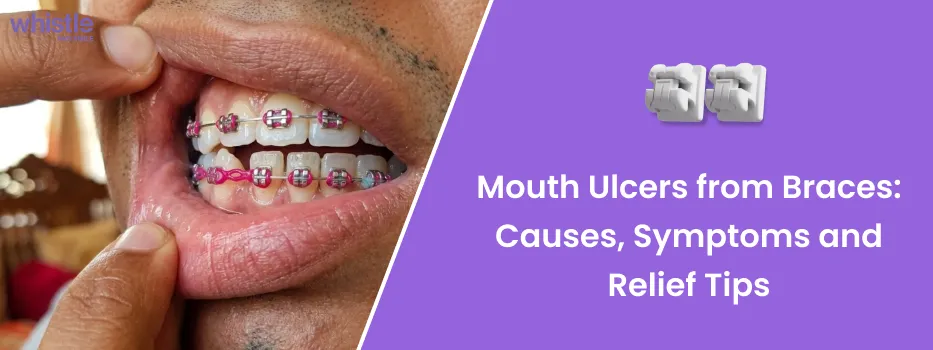
Mouth ulcers from braces can happen at multiple places. The inside of the cheeks is the most prominent spot because the brackets rub against it. The inside of the lips, especially the lower lip can also get ulcers. Sometimes the edges of the tongue can get ulcers if the wires are poking out.
They can also happen in the corner of the mouth, as a little wire could poke the inside of the cheek sometimes.
What Do Mouth Ulcers Look and Feel Like?
Mouth ulcers are usually easy to spot. They can be of different sizes, but they often look like a small, round or oval sore with a white or yellow center and a red border.
They can cause pain and burning sensations. Eating can be uncomfortable, especially if you eat spicy or acidic foods. The ulcers can be sensitive to touch, and sometimes they can make it hard to talk.
Most of the time, mouth ulcers do not have symptoms like fever or swollen lymph nodes.. If you have ulcers that do not go away or are very painful, you should tell your orthodontist.
Also Read:
How Long Do Mouth Ulcers Last?
Most mouth ulcers from braces go away on their own. They usually heal within one to two weeks if the thing that is causing the irritation is removed. If the irritation keeps happening, the ulcers can come back.
Sometimes the skin in your mouth can get thicker and form a callus, which makes the pain go away, but does not solve the issue.
What Can You Do to Feel Better?
There are things you can do to make mouth ulcers feel better.
1. You can use orthodontic relief wax as prescribed by your orthodontist to cover the brackets or wires that are causing the irritation. This makes a surface that does not rub against your mouth.
2. You can also rinse your mouth with warm salt water. This helps clean the ulcer and make it feel better. You can do this by mixing half a teaspoon of salt with water and swishing it around in your mouth.
3. There are cooling and numbing gels prescribed by your orthodontist that can numb the area and protect the ulcer. These are helpful before you eat.
4. If your ulcer is painful, you can try holding ice blocks in your mouth. This can help reduce the pain and swelling.
What Can You Do to Prevent Mouth Ulcers?
While you cannot always prevent mouth ulcers, there are things you can do to reduce the chance of getting them. You can use orthodontic relief wax when you first get braces. You can also check your mouth regularly to make sure there are no edges or loose parts.
Drinking plenty of water helps keep your mouth moist. This can reduce the friction. Make it less likely to get ulcers.
What to Eat When You Have Mouth Ulcers
Some foods can make mouth ulcers worse. It is advised to avoid spicy foods, citrus fruits, and hard or crunchy foods. You should also avoid hot drinks.
Instead, you can eat bland foods like yogurt, mashed vegetables, and smoothies. These foods are gentle on your mouth and can help you feel better.
When Should You See Your Orthodontist?
Most mouth ulcers from braces are not serious and go away on their own. You should see your orthodontist if:
- If you have ulcers that last for more than two weeks or if they are very painful.
- If you get ulcers that keep coming in the same spot.
- If your ulcers are accompanied by fever, swelling, or discharge.
Can You Prevent Mouth Ulcers?
You cannot always prevent mouth ulcers, but you can reduce the chance of getting them. Using wax for braces and checking your mouth regularly can help. Drinking plenty of water is also important.
Mouth ulcers can be frustrating, but they are a normal part of having braces. They are usually not serious and can be managed with a few simple steps. If you have mouth ulcers, do not be afraid to talk to your orthodontist. They can help you figure out what to do to make them feel better.
Book 3D Teeth Scan
Consult our experts and get a 3D preview of your smile transformation!
FAQ's
Q1.How Long Do Mouth Sores From Braces Last?
Mouth sores from braces usually last between a few days to two weeks, depending on how much irritation the braces cause inside the mouth. The cheeks, lips, and tongue may rub against brackets and wires, especially after getting braces tightened. Using orthodontic wax, salt water rinses, and maintaining good oral hygiene can help reduce discomfort and speed up healing. If sores become severe or do not improve, it is important to consult an orthodontist.
Q2.What Is Stage 4 of Braces?
Stage 4 of braces is commonly known as the retention phase. This stage begins after the braces are removed and focuses on maintaining the new alignment of the teeth. Patients are usually asked to wear retainers to prevent teeth from shifting back to their original position. The retention stage is essential for long-term orthodontic success and helps preserve a straight and healthy smile.
Q3.What Is the Fastest Way to Cure a Mouth Ulcer?
The fastest way to help a mouth ulcer heal is to keep the mouth clean and avoid irritating foods. Salt water rinses, antiseptic mouth gels, medicated creams, and drinking plenty of water can help reduce pain and speed up recovery. Avoiding spicy, acidic, and very hot foods may also prevent further irritation. Most mouth ulcers improve naturally with proper oral care.
Q4.Can a Mouth Ulcer Heal in 2 Days?
A very small and mild mouth ulcer may start improving within 2 days, but complete healing usually takes around 7 to 14 days. Healing time depends on the size of the ulcer, oral hygiene, and the underlying cause. If the ulcer becomes larger, painful, or does not heal within two weeks, it is best to seek advice from a dentist or doctor.
Q5.What Foods Trigger Mouth Ulcers?
Certain foods can trigger or worsen mouth ulcers, especially spicy foods, acidic fruits, salty snacks, and very hot foods or drinks. Citrus fruits, tomatoes, chocolate, coffee, and foods with sharp edges like chips may also irritate sensitive areas inside the mouth. Eating a balanced diet and avoiding trigger foods can help reduce the risk of recurring mouth ulcers.
Q6.What Is the Biggest Cause of Mouth Ulcers?
The biggest causes of mouth ulcers are stress, minor mouth injuries, and nutritional deficiencies. Accidental cheek bites, braces irritation, poor oral hygiene, vitamin B12 deficiency, iron deficiency, and hormonal changes can also contribute to mouth ulcers. In some cases, underlying medical conditions may cause frequent ulcers. Identifying the root cause is important for proper treatment and prevention.
Q7.Can Braces Cause a Sore Mouth?
Yes, braces can cause a sore mouth, especially during the first few weeks of treatment or after adjustments. The brackets and wires may rub against the inner cheeks, lips, and tongue, leading to irritation and mouth sores. Orthodontic wax, pain relief gels, and warm salt water rinses can help reduce soreness and improve comfort while wearing braces.
Q8.What Deficiency Causes Mouth Ulcers?
Mouth ulcers are commonly linked to deficiencies in vitamin B12, iron, folic acid, and zinc. These nutrients are important for maintaining healthy tissues and supporting the immune system. A lack of these vitamins and minerals may increase the chances of developing recurring mouth ulcers. Eating a balanced diet and consulting a healthcare professional can help identify and treat nutritional deficiencies.
You May Also Like



 Medically Reviewed by Whistle Dental Team






























 Medically Reviewed by Whistle Dental Team

 Medically Reviewed by Whistle Dental Team