
Oil Pulling Before and After: What Actually Happens When You Try It
 Medically Reviewed by Whistle Dental Team
If you are looking at oil pulling before and after results, you can expect fresher morning breath, less plaque buildup, and healthier gums that bleed less within two to four weeks. Swishing a spoonful of coconut oil around your mouth acts like a natural magnet, picking up food particles and bacteria before you spit them out.
While oil pulling cleans away surface stains from tea and coffee, it cannot change your natural tooth color or cure deep cavities. Certified Whistle partner clinics offer friendly, personalized dental checkups across 600+ physical locations nationwide.
Key Takeaways
- Fresh Morning Breath: Swishing oil clears away the sticky coating in your mouth, leaving your breath noticeably fresher from the very first week.
- Healthier, Calmer Gums: Within two to four weeks, daily oil swishing helps calm swollen gums and stops bleeding during brushing.
- Cleaner, Slicker Teeth: Oil picks up daily plaque and surface stains from chai, coffee, and food, making your teeth feel smooth and look brighter.
- Simple Daily Habit: Swish 1 tablespoon of coconut oil gently for 10 to 15 minutes before breakfast, then spit it into the dustbin (not the washbasin).
- Great Support, Not a Replacement: Oil pulling is a wonderful addition to your morning routine, but you still need to brush, floss, and visit your dentist for regular checkups.
The truth? Oil pulling can genuinely help, just not quite like those photos suggest. The real changes are quieter, more gradual, and honestly, worth understanding properly before you dive in.
How Does Oil Pulling Actually Work?
You might wonder how swishing simple cooking oil in your mouth can do anything for your teeth. The secret is very simple:
- Like a Magnet for Bacteria: Most bad bacteria in your mouth are covered in a thin, fatty outer shell. Because oil naturally sticks to oil, swishing oil around your mouth attracts these bacteria like a magnet and pulls them out of tight spaces between your teeth.
- Natural Soap Action: When you swish oil, it mixes with your saliva and turns into a milky, soap-like liquid. This natural lather gently washes away food residues and sticky plaque without harsh chemicals.
- Coconut Oil Has Natural Germ-Fighters: Virgin coconut oil contains a special natural fatty acid called lauric acid. Lauric acid is well known for fighting mouth germs and soothing irritated gum tissues.
- Stimulates Healthy Saliva: Moving the oil around your mouth for 10 minutes exercises your mouth muscles and triggers fresh saliva flow. Saliva is your mouth's natural defense that protects your teeth against decay.
How to Check Your Plaque Levels at Home
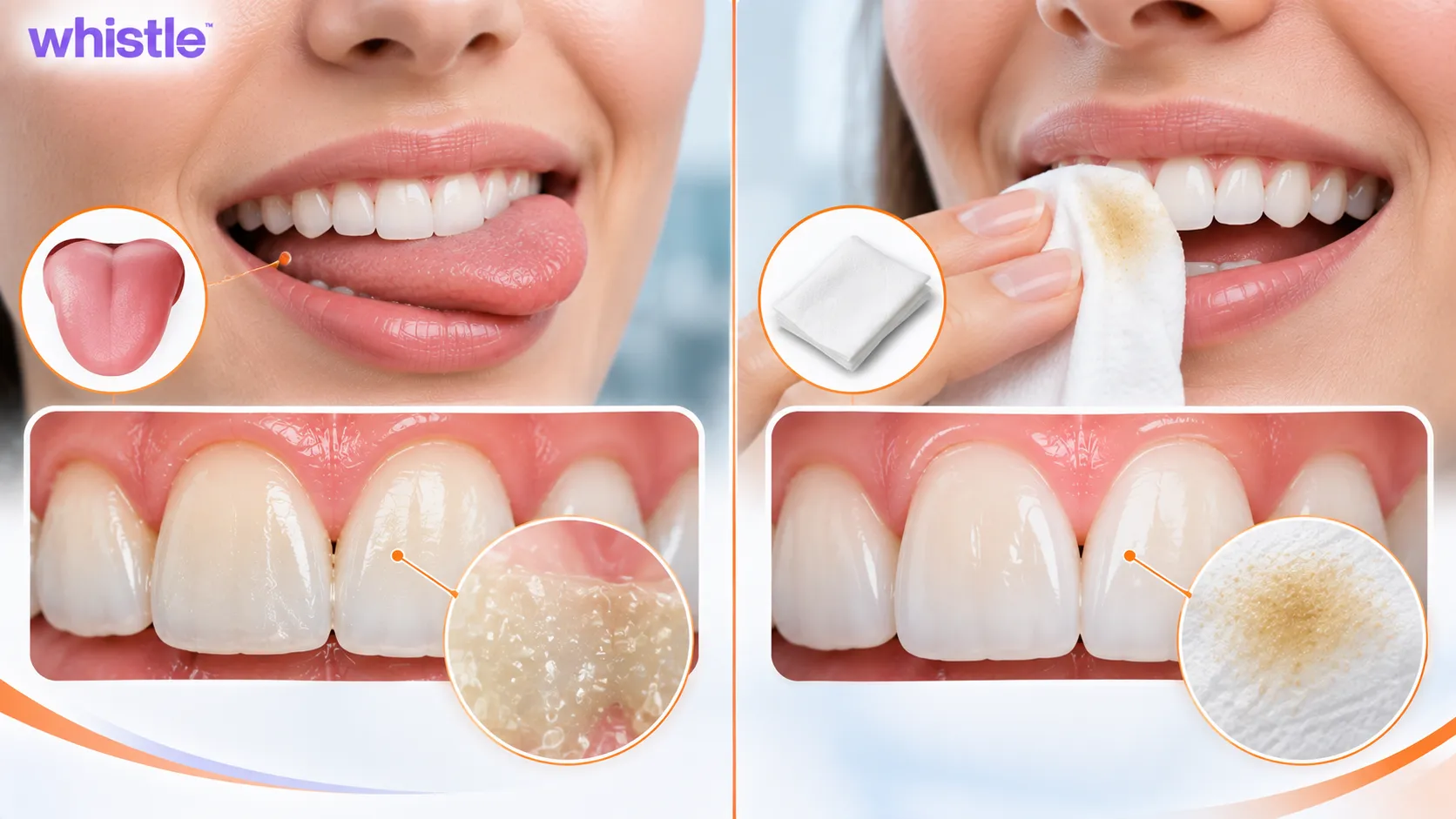
Want to know if you actually need a better cleaning routine? Try these simple checks:
- The Tongue Swipe Test: Run your tongue across your front teeth first thing in the morning. That fuzzy, sweater-like feeling is biofilm (a sticky layer of bacteria).
- The Tissue Test: Gently wipe your upper teeth with a dry tissue. If you see a yellowish residue, you are looking at early dental plaque accumulation.
So What Even Is Oil Pulling?
Oil pulling comes from Ayurveda, one of the world's oldest wellness traditions. The practice is straightforward: swish a tablespoon of oil , usually coconut, sesame, or sunflower , around your mouth for 10 to 20 times, then spit it out.
Traditionally, it was linked to drawing toxins out of the body. Modern dentistry offers a simpler explanation , the oil loosens debris and helps reduce bacteria in the mouth. Think of it less as a treatment and more as a cleansing ritual that some people layer on top of their regular oral care.
Oil Pulling Before and After: The Real Timeline
| Timeframe | What You Will Notice (Before vs After) | What Is Happening Inside Your Mouth |
| Day 1 to Day 3 | Your mouth feels cleaner in the morning. The sticky white coating on your tongue starts to disappear, and your teeth feel slick when you rub your tongue against them. | The oil is lifting loose food bits and clearing away surface bacteria that cause morning mouth odor. |
| Week 1 to Week 2 | Your breath stays fresh for longer during the day. You notice less soft yellow build-up around your teeth. | Daily swishing keeps bacteria levels lower throughout the day, preventing fresh plaque from clinging to your teeth. |
| Week 2 to Week 4 | Your gums look healthier and less red. If your gums used to bleed slightly while brushing, you will notice the bleeding stops. | With fewer germs irritating your gumline, your gums can finally heal and become firm and strong. |
| Month 1 to Month 3 | Your smile looks cleaner and subtly brighter. Tea, coffee, and turmeric stains on the outside of your teeth are gently lifted. | Your daily habit keeps plaque low and polishes away surface stains, keeping your gums coral pink and healthy. |
Oil Pulling Gums Before and After: Why Does It Help Bleeding Gums?
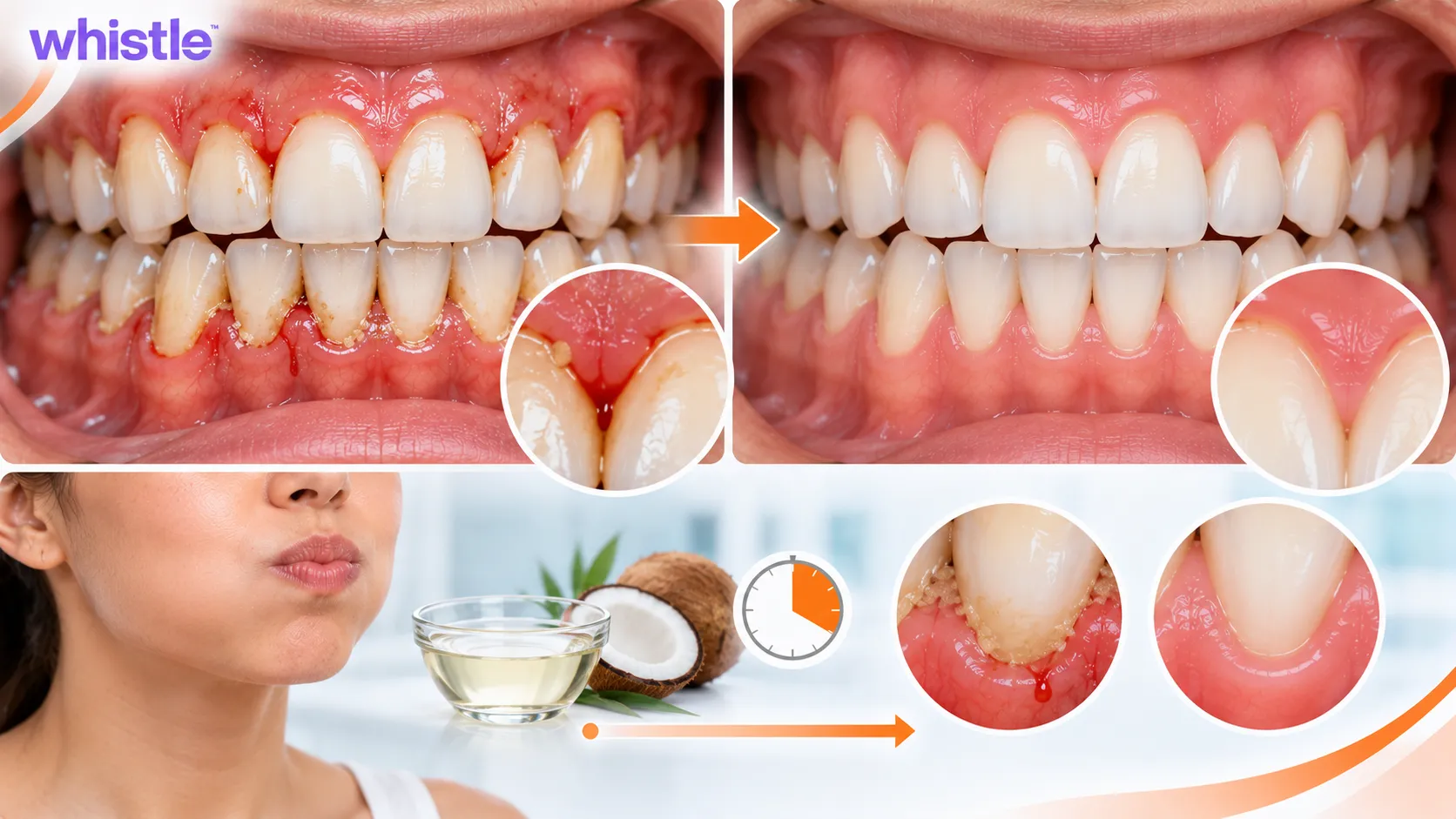
If you see pink on your toothbrush when you spit, your gums are irritated by a sticky film of germs called plaque. When plaque sits near your gums, your body sends extra blood to fight the germs, making the gums swollen and easy to bleed.
When you do oil pulling daily:
- It cleans out the soft plaque along your gum edges before it turns into hard stone (tartar).
- The gentle nature of coconut oil calms down the swollen tissue.
- Within two to three weeks, your gums tighten back around your teeth, turning from puffy red to healthy, firm pink.
Coconut Oil vs Sesame Oil: Which One Should You Pick?
| Feature | Virgin Coconut Oil (Recommended) | Sesame Oil (Til Oil) |
| Taste & Smell | Mild, pleasant, slightly sweet coconut flavor. Very easy for beginners. | Strong, earthy, nutty taste. Some people find it too strong. |
| Germ-Fighting Power | Very high (rich in lauric acid). | Very high (rich in natural antioxidants and vitamin E). |
| Mouth Feel | Light and smooth once melted in your mouth. | Slightly heavier and thicker texture. |
| Best For | Freshening breath, soothing gums, and everyday use. | Traditional Ayurvedic routines and gum strengthening. |
What Oil Pulling Won't Do
This is the question most people are really asking. The short answer is: a little, yes but within specific limits, and not in the way that truly makes a visible difference.
Oil pulling can help remove surface debris and very light staining that sits on top of the tooth. If your teeth have a slightly dulled or filmy appearance from everyday buildup, consistent oil pulling may help them look a touch cleaner and fresher.
What it cannot do is change the actual shade of your teeth. It doesn't penetrate the enamel. It doesn't lift the deeper stains that have settled in over months or years of tea, coffee, or other staining foods and drinks. And importantly it doesn't rebuild, rejuvenate, or strengthen enamel in any way. The enamel you have is what you're working with, and oil pulling has no effect on that.
So while it contributes to a cleaner oral environment, it's not going to give you the kind of noticeably brighter, whiter smile you might be hoping for from those before-and-after photos.
Where Whistle Glow Comes In
If a visibly brighter smile is your actual goal, you need something formulated to do that job properly. The Whistle Glow Teeth Whitening Kit is designed specifically to target the deep stains that oil pulling simply cannot reach.
It works safely on your enamel to lift discolouration from years of daily coffee, tea, and turmeric. The results are predictable, visible, and they happen in a timeframe that keeps you motivated. Think of it this way. Oil pulling is a nice addition to keep your mouth feeling fresh. Whistle Glow is what you reach for when you want people to actually notice the difference.
What the Research Actually Shows
Studies on oil pulling do suggest it can reduce certain oral bacteria when practised consistently. That's a real finding. But the mechanism is similar to rinsing , it temporarily lowers the microbial count in the mouth without addressing deeper issues like subgingival plaque or enamel damage.
Which is why it's best thought of as a supporting habit. It can contribute to a cleaner oral environment, but it's not a substitute for treatment when something is actually wrong.
Common Real-Life Questions
Which Solution Fits Your Goal?
| Feature | Oil Pulling | Whistle Glow Teeth Whitening Kit |
| Best Suited For | Daily breath freshening and light surface debris | Noticeable, professional-level teeth whitening |
| How It Works | Mechanically lifts loose plaque and bacteria | Active ingredients safely break down deep enamel stains |
| Visible Results | Very subtle, temporary brightness | Highly predictable, visibly whiter shade |
Who Might Actually Benefit
Oil pulling is a decent addition for anyone who enjoys building out a more thorough oral care routine and doesn't mind the time commitment. It can be particularly helpful for people who struggle with recurring bad breath or that morning coating feeling, and it appeals to those who like incorporating traditional practices alongside modern dental care.
Where it doesn't belong is as a replacement for professional help. Tooth pain, cavities, visible gum disease, or heavy staining need proper diagnosis and treatment, not home remedies.
Also Read:-
Doctor Observations: 5 Mistakes People Often Make
- Stopping Toothbrushing: Some people think oil pulling replaces their toothbrush. It does not. You still need your toothbrush bristles to scrub away food and plaque every single day.
- Swallowing the Oil: After 10 minutes, the oil is loaded with millions of mouth bacteria. Always spit it out to keep your stomach happy.
- Spitting into the Washbasin: This is the number one plumbing mistake. Coconut oil solidifies in drain pipes and creates stubborn blockages. Always use the trash can.
- Expecting Miracle Whitening: Oil pulling can clean off yellow coffee or turmeric stains from the surface of your teeth, but it will not make your natural enamel whiter than it naturally is.
- Ignoring Bleeding That Does Not Stop: If your gums keep bleeding after 3 to 4 weeks of good hygiene, you likely have hard tartar under your gums that only a dentist can clean off with ultrasonic scaling.
The Bottom Line
Oil pulling is a simple, pleasant, and completely natural habit that can make your mouth feel fresh, clean, and healthy every morning. When you practice it consistently for 10 to 15 minutes with virgin coconut oil, you will enjoy fresher breath, slicker teeth, and happier gums.
Remember that the best smile care combines your healthy daily habits with regular professional dental visits. If you are dealing with yellow teeth, bad breath that will not go away, or bleeding gums, your dentist is your best partner to get your oral health back on track. Book an appointment at your nearest Whistle partner clinic today for a friendly checkup, gentle cleaning, and personalized advice for your smile.
Ready to see what your smile could look like with professional care? Book a free Smile Assessment at your nearest Whistle Partner Clinic today.
Also Read:
Book 3D Teeth Scan
Consult our experts and get a 3D preview of your smile transformation!
Oil Pulling
Oil pulling before & after
FAQ's
Q1.Why Do Dentists Not Like Oil Pulling?
Some dentists are cautious about oil pulling because there is limited scientific evidence proving that it can replace traditional dental care. While oil pulling may help reduce bacteria and improve breath freshness, dentists recommend brushing, flossing, and professional dental cleanings as the primary methods for maintaining oral hygiene. Oil pulling should be considered a supportive practice rather than a replacement for proper dental treatment.
Q2.Is It Good to Do Oil Pulling Every Day?
Yes, many people practice oil pulling every day as part of their oral hygiene routine. Daily oil pulling with coconut oil or sesame oil may help reduce bacteria, improve breath freshness, and support gum health. However, it should always be combined with regular brushing and flossing. If oil pulling causes discomfort, jaw pain, or nausea, it is best to reduce the frequency or consult a dentist.
Q3.Is Oil Pulling Actually Good for Teeth?
Oil pulling may provide some oral health benefits by helping reduce harmful bacteria, plaque buildup, and bad breath. Coconut oil is commonly used because of its natural antibacterial properties. However, oil pulling alone cannot whiten teeth dramatically, remove cavities, or replace professional dental care. Maintaining good oral hygiene and visiting a dentist regularly are still essential for healthy teeth and gums.
Q4.Who Should Avoid Oil Pulling?
People who have difficulty swishing liquids, young children, or individuals with swallowing problems should avoid oil pulling because there is a risk of accidentally inhaling or swallowing the oil. Anyone with allergies to coconut oil or sesame oil should also avoid this practice. If someone experiences discomfort or breathing issues during oil pulling, they should stop immediately and consult a healthcare professional.
Q5.How Do Celebrities Get Their Teeth So White?
Celebrities often achieve very white teeth through professional dental treatments such as teeth whitening, veneers, dental bonding, and regular cosmetic dental care. Professional whitening treatments performed by dentists can remove deep stains and brighten teeth safely. Many celebrities also maintain strict oral hygiene routines, avoid stain-causing foods, and get regular dental cleanings to keep their smiles bright and healthy.
Q6.Which oil is the best for beginners?
Virgin cold-pressed coconut oil is the best choice because it has a pleasant mild taste, melts easily in your mouth, and is rich in natural germ-fighting lauric acid.
Q7.Can oil pulling cure a cavity or toothache?
No. Oil pulling cannot repair a physical hole in your tooth or heal an infected nerve. Tooth decay and toothaches require treatment from a qualified dentist.
 Medically Reviewed by Whistle Dental Team
 Medically Reviewed by Whistle Dental Team



 Medically Reviewed by Whistle Dental Team