

Who Is the Right Candidate for Invisible Teeth Aligners?
 Medically Reviewed by Whistle Dental Team
Invisible teeth aligners have really changed the way people think about straightening their teeth. Adults and younger people like the idea of fixing their teeth without using metal brackets since they are clear. You can take them out which makes them more comfortable than traditional braces. Even though they are popular, invisible teeth aligners may not be suitable for everyone.
It is not only about how your teeth will look, it also depends on how your teeth move and how well you can follow the instructions. Understanding who is a candidate for invisible teeth aligners helps you know what to expect and avoids bad outcomes.
What Are Invisible Teeth Aligners?
Invisible teeth aligners are custom-made trays that are clear and made in the shape of your teeth. They are designed to move your teeth into the right position. Each set of aligners puts force on specific teeth. Over time, your teeth will move through the bone around them because of this force.
Invisible teeth aligners are different from braces because you can take them out. You usually wear each set for one to two weeks before moving on to the next set. To get results you need to wear them for around 20 to 22 hours every day.
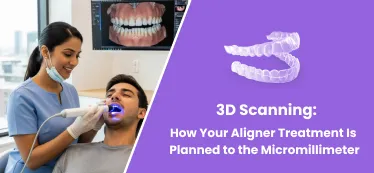
The treatment is planned using computers with 3D scans. This lets both the orthodontist and the patient see how your teeth will look before you even start.
Who Are the Best Candidates for Teeth Aligners?
1. People with Mild to Moderate Teeth Alignment Problems
Invisible teeth aligners work well when the problems are not too complicated. These include:
- Crowding where your teeth overlap a little
- Small gaps between your teeth
- Minor rotations of your teeth
Slight movement of your teeth after you had braces before
In these cases, invisible teeth aligners can give you predictable results. The force from each tray is gentle which makes it good for corrections.
2. Adults and Older Teenagers
Adults are often the candidates for invisible teeth aligners. They are usually better at wearing the aligners for the amount of time and taking good care of their teeth. Since you have to take out the aligners to eat and clean them before putting them in it is very important to follow the rules.
Older teenagers can also be candidates if they are responsible enough to follow the instructions.
3. People Who Care About Aesthetic Appearance
One of the main advantages of invisible teeth aligners is that they are barely noticeable. For people who interact closely with others or simply care about how their smile looks, aligners can be a very appealing option.
While this does not determine whether someone is clinically suitable for aligners, it often influences the choice when both braces and aligners are viable options.
4. People with Good Teeth Cleaning Habits
You need to have teeth and healthy gums to use invisible teeth aligners. Since the trays fit closely over your teeth, any food or plaque trapped under them can cause problems.
People who already take care of their teeth tend to do well with invisible teeth aligners. They are less likely to have problems during treatment.
5. People Who Will Follow the Instructions
This is often the most important factor. Invisible teeth aligners only work if you wear them for 20-22 hours a day. Taking them out often or not wearing them enough makes the treatment less effective.
You also need to switch to the set of aligners on time, go to your follow-up appointments, and sometimes use extra tools like attachments or elastics. People who are committed to the process are more likely to get the results they want.
Cases Where Invisible Teeth Aligners Might Still Work with Some Changes
Technology has improved, and invisible teeth aligners can now handle more complicated cases. However, this often requires some techniques.
1. Moderate Crowding or Spacing
With the help of attachments, which are small tooth-colored bumps bonded to the teeth, invisible aligners can achieve better grip and control. This allows for tooth movements that would otherwise be difficult to achieve.
2. Minor Bite Problems
Some bite problems, like an overbite or crossbite, can be fixed with invisible teeth aligners. In some cases, elastics are used to improve how your jaws fit together.
3. Teeth Movement After Braces
People who have had braces and have some movement of their teeth are often good candidates for invisible teeth aligners. These cases usually require movement and a shorter treatment time.
In these cases, it is very important to choose the right candidate. The orthodontist needs to see if the planned movements are biologically possible with teeth aligners.
- Clear Aligners: How Do They Move Teeth Without Wires?
- How to Fix Crooked Teeth without Braces: Best Alternative of Braces
- Are Aligners Only for Minor Corrections? Not Anymore
- 3D Scanning: How Your Aligner Treatment Is Planned to the Micromillimeter
- Whistle Clear Aligners: Powered by Digital Dentistry
- How Clear Aligners Move Teeth: Orthodontic Science Explained
Who Is Not the Candidate for Invisible Teeth Aligners?
While invisible teeth aligners are very versatile, they are not right for every problem.
1. Severe Crowding or Complex Bite Problems
Cases with a lot of crowding, rotations of teeth, or complicated bite discrepancies often require traditional braces. Braces give control over how your teeth move in different directions.
Invisible teeth aligners might struggle to make these movements, especially when big corrections are needed.
2. Jaw Problems
If the issue is with the position or size of your jaws and not your teeth, invisible teeth aligners alone are not enough. Conditions like an overbite, underbite or uneven face might require a combination of orthodontics and surgery.
3. People Who Do Not Follow Instructions
If you are not likely to wear the teeth aligners consistently, the treatment will not work as planned. Unlike braces, which are fixed in place, invisible teeth aligners rely entirely on you to wear them correctly.
Not wearing them enough leads to a fit of the next aligners, delays, and sometimes the need to start the treatment over.
4. Poor Teeth Cleaning or Active Dental Problems
People with cavities, gum disease, or poor teeth cleaning habits are not good candidates until these issues are fixed. Invisible teeth aligners can make existing problems worse if bacteria are trapped under the trays.
5. Very Young Patients
Children whose teeth are still growing or who have not yet gotten all their permanent teeth are usually not suitable for teeth aligner therapy. Growth patterns and tooth eruption need to be considered
- The Process of Getting Teeth Aligners and What to Expect
- Invisible Aligners vs Traditional Braces: Cost Comparison India
- Teeth aligners Cost in India: Costs, Factors, and Affordable Options
- What Are Attachments in Aligners? Purpose, Types & Benefits Explained
- How to wear Aligners - A Complete Guide
Clinical Evaluation Before Starting Invisible Teeth Aligners
Before recommending teeth aligners, an orthodontist does a detailed evaluation. This usually includes:
- Checking your teeth. Bite
- Digital scans or impressions
- X-rays to see the bone and root positions
- Photographs for planning the treatment
The goal is to see if the desired tooth movements can be achieved safely and predictably with teeth aligners.
Not every case that seems simple is actually straightforward. Sometimes, underlying bone or root factors affect treatment decisions.
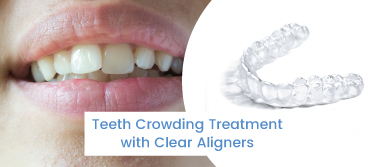
- Teeth Crowding Treatment with Clear Aligners - Regain your Confident Smile
- The Evolution of Clear Aligners: Straightening Teeth & Smiles
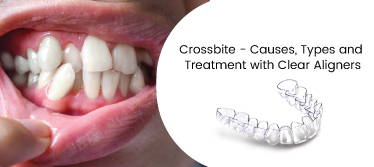
- Crossbite - Causes, Types and Treatment with Clear Aligners
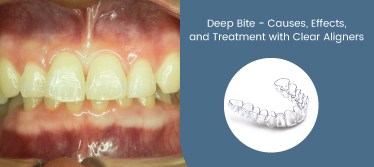
- Deep Bite - Causes, Effects, and Treatment with Clear Aligners
- 7 Easy Steps to Maintain Your Teeth Aligners
Advantages of Choosing the Right Candidate
When invisible teeth aligners are used for people, the benefits are clear:
- Better looks during treatment
- Easier teeth cleaning
- Less risk of plaque buildup compared to braces
- Comfort with fewer injuries to the soft tissues
However, these advantages only matter if the treatment works. Choosing the candidate is what makes it successful.
Invisible teeth aligners are an option for orthodontic treatment, but they are not for everyone. The best candidates are people with mild to moderate tooth alignment problems, good oral hygiene habits, and a strong commitment to wearing the aligners as prescribed.
Complicated cases might still be treated with invisible teeth aligners using extra techniques, but some situations are better handled with traditional braces or a combination of approaches.
The decision should always be based on an evaluation rather than just what you prefer. When used correctly, invisible teeth aligners can give results while keeping you comfortable and looking good throughout the treatment.
- 7 Key Benefits of Choosing Clear Aligners
- Braces vs Clear Aligners
- The benefit of using teeth aligners over traditional braces
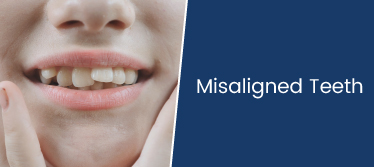
- Misaligned Teeth - Causes, Treatments, and Why Teeth Aligners Are Best
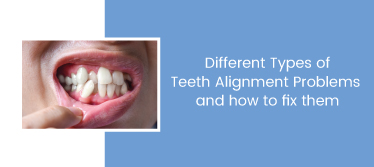
- Different Types of Teeth Alignment Problems and how to fix them
Book 3D Teeth Scan
Consult our experts and get a 3D preview of your smile transformation!
FAQ's
Q1.ok
ok

 Medically Reviewed by Whistle Dental Team




 Medically Reviewed by Whistle Dental Team









 Medically Reviewed by Whistle Dental Team