Aligners vs Braces: Which Is Better for Straightening Teeth?
 Medically Reviewed by Whistle Dental Team
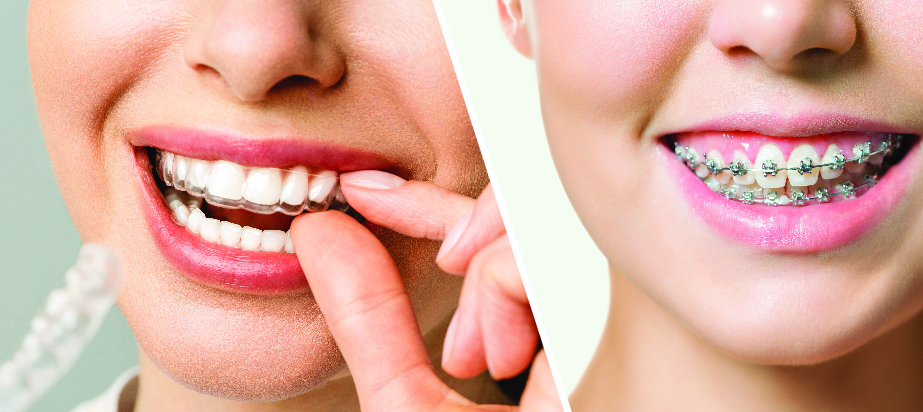
- Biomechanical Contrast: Braces pull teeth via continuous archwire deflection, while clear aligners push teeth into alignment using sequential computer-staged polymer trays.
- Aesthetic and Social Discretion: Clear aligners are virtually invisible and removable, making them the preferred choice for working professionals and image-conscious adults.
- Dietary and Hygiene Freedom: Aligners eliminate food restrictions and allow normal brushing and flossing, whereas braces require avoiding hard or sticky foods to prevent bracket breakage.
- Compliance Dynamic: Fixed braces operate continuously with zero patient discipline required, whereas clear aligners require strict adherence to 20 to 22 hours of daily wear.
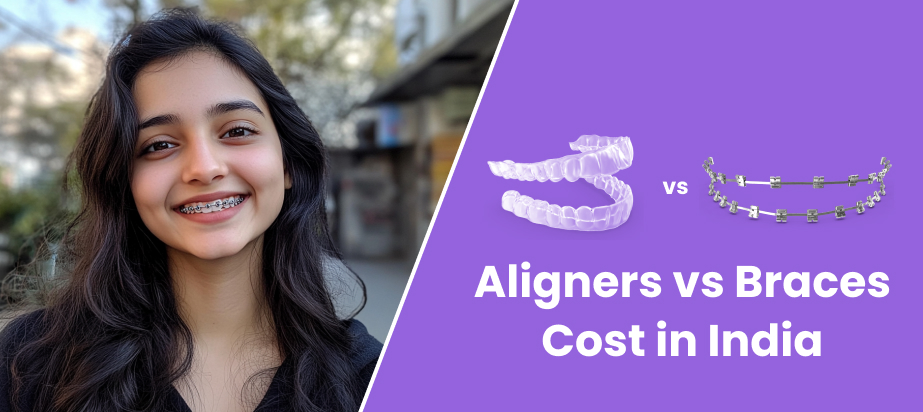
- Transparent Pricing in India: Traditional braces cost Rs. 45,000 to Rs. 70,000, while clear aligners range from Rs. 60,000 to Rs. 2.5 Lakhs, both available with flexible monthly EMI options.
How Do Braces and Teeth Aligners Move Teeth?
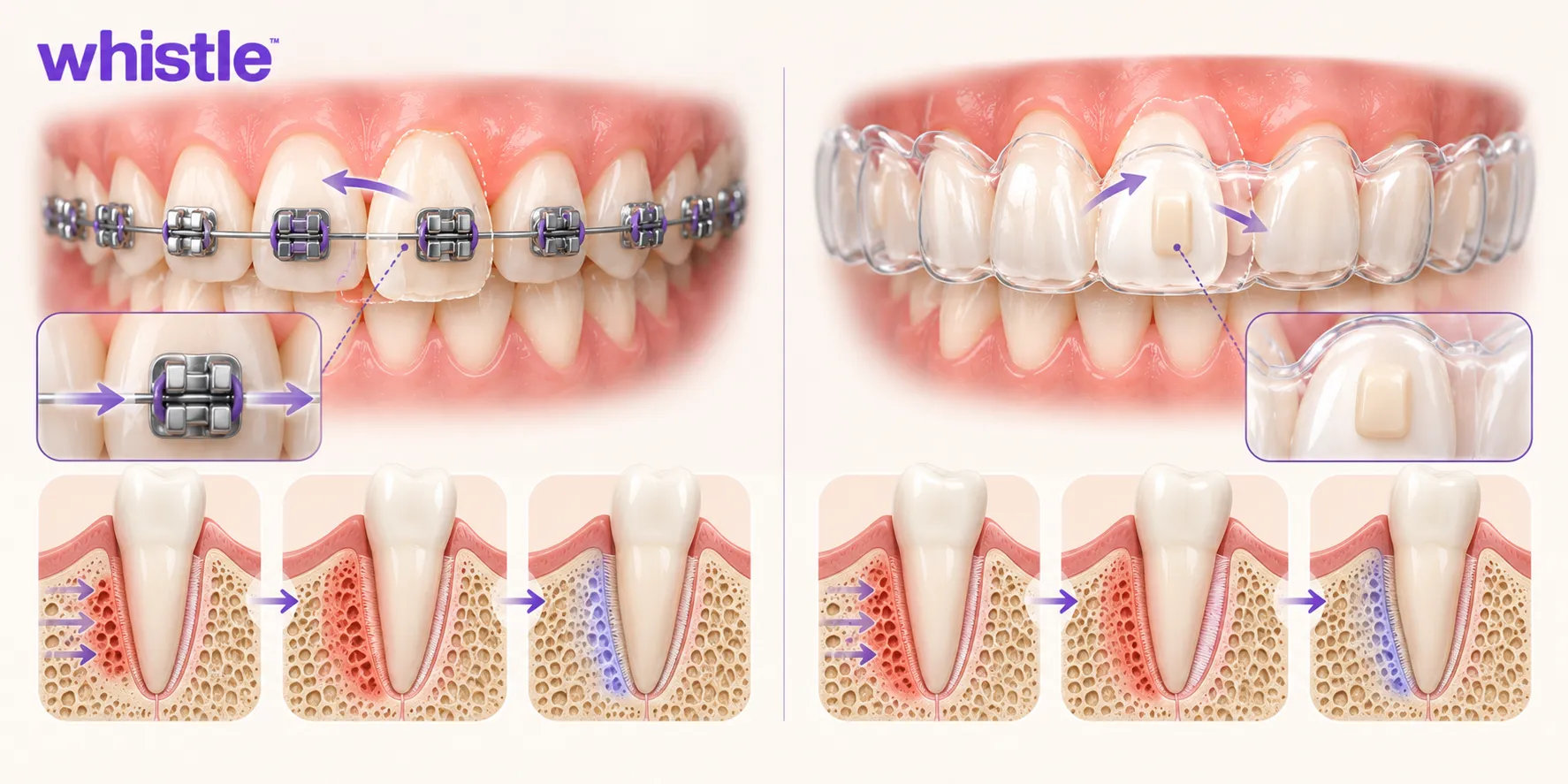
- Fixed Braces (Continuous Tensile Traction): Brackets act as individual handles bonded to the facial or lingual surface of each tooth. A flexible nickel-titanium or stainless steel archwire runs through the bracket slots. When the wire is tied in with ligature elastics or held by self-ligating doors, it exerts continuous pull and rotational moments 24 hours a day. This makes braces exceptionally effective for complex vertical extrusion, severe root torquing, and heavy orthopedic skeletal corrections.
- Clear Aligners (Sequential Compressive Staging): Clear aligners work through full-coverage polymeric envelopes custom-engineered from multi-layer polyurethane. Each tray is programmed with precise micro-movements of 0.2 mm to 0.25 mm. Rather than pulling from a single facial point, aligners push the tooth by distributing hydrostatic pressure across the entire crown. When combined with smart composite attachments (small, tooth-colored resin grips temporarily bonded to specific teeth), aligners achieve remarkable precision in complex rotational and intrusion movements.
Master Explanatory Table: Clear Aligners vs Traditional Braces
To understand how each appliance functions in real-world clinical and daily lifestyle conditions, the following detailed explanatory table contrasts clear aligners with traditional fixed braces across twelve vital dimensions:
| Comparison Dimension | Whistle Clear Aligners | Traditional Fixed Braces | Clinical & Lifestyle Explanation |
| Appliance Structure & Material | Removable medical-grade multi-layer polyurethane trays with scalloped gingival contours. | Fixed stainless steel or polycrystalline ceramic brackets bonded to teeth with archwires. | Aligners encapsulate the entire dental crown to push teeth gently, while braces rely on bracket handles and tensile wire tension to pull teeth. |
| Aesthetic Visibility | Virtually invisible at normal conversational distance (under 1 meter). | Noticeable metallic appearance, or subtle tooth-colored ceramic with visible archwires. | Aligners provide complete aesthetic discretion, making them ideal for professionals, public speakers, and weddings. Braces remain visibly apparent. |
| Removability & Patient Autonomy | 100% removable by the patient for meals, brushing, and special occasions. | Non-removable; bonded firmly to enamel and only removed by an orthodontist. | Removability gives patients daily lifestyle freedom, but places full responsibility on the wearer to maintain consistent daily wear. |
| Daily Wear Discipline | Strict requirement: 20 to 22 hours per day without exception. | Zero daily effort; works continuously 24 hours a day automatically. | Aligners require high personal discipline. Braces eliminate compliance anxiety because the patient cannot remove the appliance at will. |
| Dietary Freedom (Indian Food) | Zero dietary limitations. Eat roti, paratha, nuts, crunchy apples, and turmeric curries. | Strict food restrictions. Avoid hard nuts, chikki, sugarcane, and hard crusts to prevent bracket failure. | Aligner trays are taken out during meals, eliminating food trapping and wire breakage. Braces brackets break under heavy shear bite forces. |
| Oral Hygiene & Plaque Control | Effortless. Remove trays to brush and floss normally using standard toothbrushes. | Challenging. Requires interdental proxy brushes, floss threaders, and extra cleaning time. | Aligners significantly reduce plaque accumulation, gingival inflammation, and enamel decalcification. Braces require meticulous cleaning around wires. |
| Soft Tissue Comfort | Effortless. Remove trays to brush and floss normally using standard toothbrushes. | Moderate to high risk of cheek abrasions, ulcers, and poking distal wires. | Aligners eliminate sharp metal corners. Braces wearers frequently rely on orthodontic relief wax and soothing oral gels during initial adaptation. |
| Cost in India & Financing | Rs. 60,000 to Rs. 2.5 Lakhs with flexible monthly EMI plans. | Rs. 45,000 to Rs. 70,000 with flexible monthly EMI plans. | Both treatments are accessible via flexible EMI options starting from Rs. 4,500 per month across Whistle partner clinics nationwide. |
When to Choose Aligners vs Braces
Orthodontic treatment selection must always be grounded in biological diagnosis. The following matrix illustrates clinical indications based on malocclusion type and patient lifestyle:
| Dental / Skeletal Malocclusion | Recommended Modality | Clinical Biomechanical Rationale |
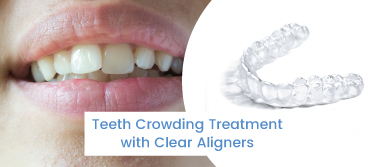
| Mild to Moderate Crowding (<6 mm) | Whistle Clear Aligners | Sequential arch expansion and interproximal reduction (IPR) easily resolve crowding without brackets. |
| Diastema / Spacing (>2 mm gaps) | Whistle Clear Aligners | Bodily translation and space closure occur cleanly with full crown engagement and composite attachments. |
| Orthodontic Relapse in Adults | Whistle Clear Aligners | Fast, discreet re-alignment of teeth that shifted due to neglected teenage retainer wear. |
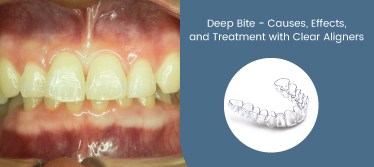
| Deep Bite / Palatal Impingement | Either Modality (Case Dependent) | Aligners use anterior bite turbos to intrude incisors; braces use curve of Spee wires and vertical elastics. |
| Severe Rotations (>45 degrees) | Traditional Fixed Braces | Archwires apply continuous force couple moments around the tooth axis, excelling in stubborn rotations. |
| Severe Skeletal Jaw Discrepancy | Traditional Fixed Braces | Requires orthopedic traction, surgical decompensation, and heavy intermaxillary elastics best supported by fixed steel brackets. |
| Patient with Low Compliance Discipline | Traditional Fixed Braces | Fixed appliance works 24/7 independently of patient memory, guaranteeing continuous force delivery. |
Deep-Dive: Lifestyle Realities of Teeth Aligners vs Braces
1. Navigating Indian Food and Social Gatherings
In an Indian dietary context, meals are rich in varied textures and vibrant spices. For patients wearing traditional braces, biting into whole apples, hard guava, brittle peanut chikki, sugarcane, or thick tandoori roti can easily dislodge bracket bonds. Furthermore, spices like turmeric can stain clear or white elastomeric ligature ties, turning them yellowish within days.
Clear aligners completely sidestep this issue: you simply take the trays out, enjoy your favorite dishes with total freedom, rinse your mouth, and click the clean trays back onto your teeth.
2. Oral Hygiene and Gum Health Preservation
Braces create numerous microscopic stagnation zones around brackets and archwires, making thorough cleaning difficult. Without meticulous technique using interdental brushes and floss threaders, plaque accumulates rapidly, causing gingival swelling and permanent enamel decalcification (white spot lesions). With clear aligners, oral hygiene is effortless: you remove the trays and brush and floss normally, keeping gums healthy and breath fresh.
3. The Reality of Patient Discipline (The 22-Hour Rule)
The greatest advantage of clear aligners, their removability, is also their single vulnerability. Teeth only move when continuous, gentle pressure is applied. If aligners are left on bedside tables or dining napkins for hours, cellular bone remodeling stops, causing teeth to lag behind the planned schedule. Patients who know they might forget to wear trays often find that traditional fixed braces offer peace of mind because they cannot be removed.
Orthodontist Observation Layer: 5 Common Patient Misconceptions
Across our nationwide network of partner clinics, our orthodontists regularly address common patient myths that influence appliance choice:
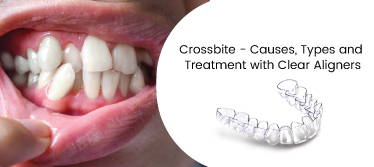
- Misconception 1: Clear Aligners Are Only for Simple Cosmetic Cases: With modern advancements like smart composite attachments and precision IPR, clear aligners routinely correct moderate to complex crowding, deep bites, and crossbites.
- Misconception 2: Braces Move Teeth Faster Than Aligners: Treatment speed depends on biological bone remodeling rates, not just the appliance type. When aligners are worn for 22 hours daily, their pre-programmed sequential forces often achieve targeted alignment just as efficiently as fixed braces.
- Misconception 3: Aligners Are Completely Painless: While aligners eliminate bracket chafing and poking wires, they still exert physical pressure on the periodontal ligament. Mild soreness during the first 24 to 48 hours of each new tray is a healthy sign that bone remodeling is taking place.
- Misconception 4: You Can Leave Aligners Out During the Workday: Removing aligners for more than 2 to 4 hours daily halts cellular movement, causing aligners to lose tracking and requiring treatment restarts.
- Misconception 5: Mail-Order DIY Aligners Are Equivalent to Doctor-Supervised Care: Straightening teeth without in-person clinical exams and radiographic bone assessment risks severe bone loss, bite trauma, and tooth loosening.
Conclusion: Making the Best Decision for Your Smile
Both fixed braces and clear aligners are highly effective orthodontic instruments capable of delivering a healthy, beautifully balanced smile. If your priority is maximum aesthetic discretion, dietary freedom, and effortless oral hygiene, clear aligners offer an exceptional modern experience provided you maintain 20 to 22 hours of daily wear.
If you require complex skeletal realignment or prefer a fixed, worry-free appliance that works 24/7 without daily tracking, traditional braces remain a dependable choice.
With transparent pricing starting at Rs. 45,000 for braces and Rs. 60,000 for clear aligners, backed by flexible monthly EMI options and experienced MDS Orthodontists across 600+ Whistle partner clinics nationwide, in partnership with Clove Dental, you can embark on your smile transformation with total confidence. Schedule your consultation today to begin your personalized orthodontic journey.
Book 3D Teeth Scan
Consult our experts and get a 3D preview of your smile transformation!
Braces
Clear Aligners
FAQ's
Q1.Are clear aligners as effective as braces?
For many mild and moderate cases, clear aligners can be just as effective as braces. Complex cases may still benefit from braces.
Q2.Do braces work faster than aligners?
The answer depends on the complexity of the case. Aligners can be faster for simple cases, while braces may be more efficient for complex corrections.
Q3.What is the main difference between braces and clear aligners?
Traditional braces are fixed metal or ceramic brackets bonded to teeth that work continuously via archwire traction. Clear aligners are removable, custom-made plastic trays that push teeth incrementally and can be taken out for meals and oral hygiene.
Q4.How many hours a day do I need to wear clear aligners?
Clear aligners must be worn for 20 to 22 hours every single day to achieve planned tooth movement. They should only be removed for meals, drinking hot or sugary beverages, and daily brushing and flossing.
Q5.Can I eat whatever I want with clear aligners?
Yes, because clear aligners are removed during meals, there are zero dietary restrictions. You can freely enjoy crunchy, hard, or sticky foods that would otherwise break fixed braces, as long as you brush or rinse before putting the trays back in.

 Medically Reviewed by Whistle Dental Team


 Medically Reviewed by Whistle Dental Team





 Medically Reviewed by Whistle Dental Team