

Aligner Treatment: How Clear Aligners Work, Process, Cost, and Results
 Medically Reviewed by Whistle Dental Team
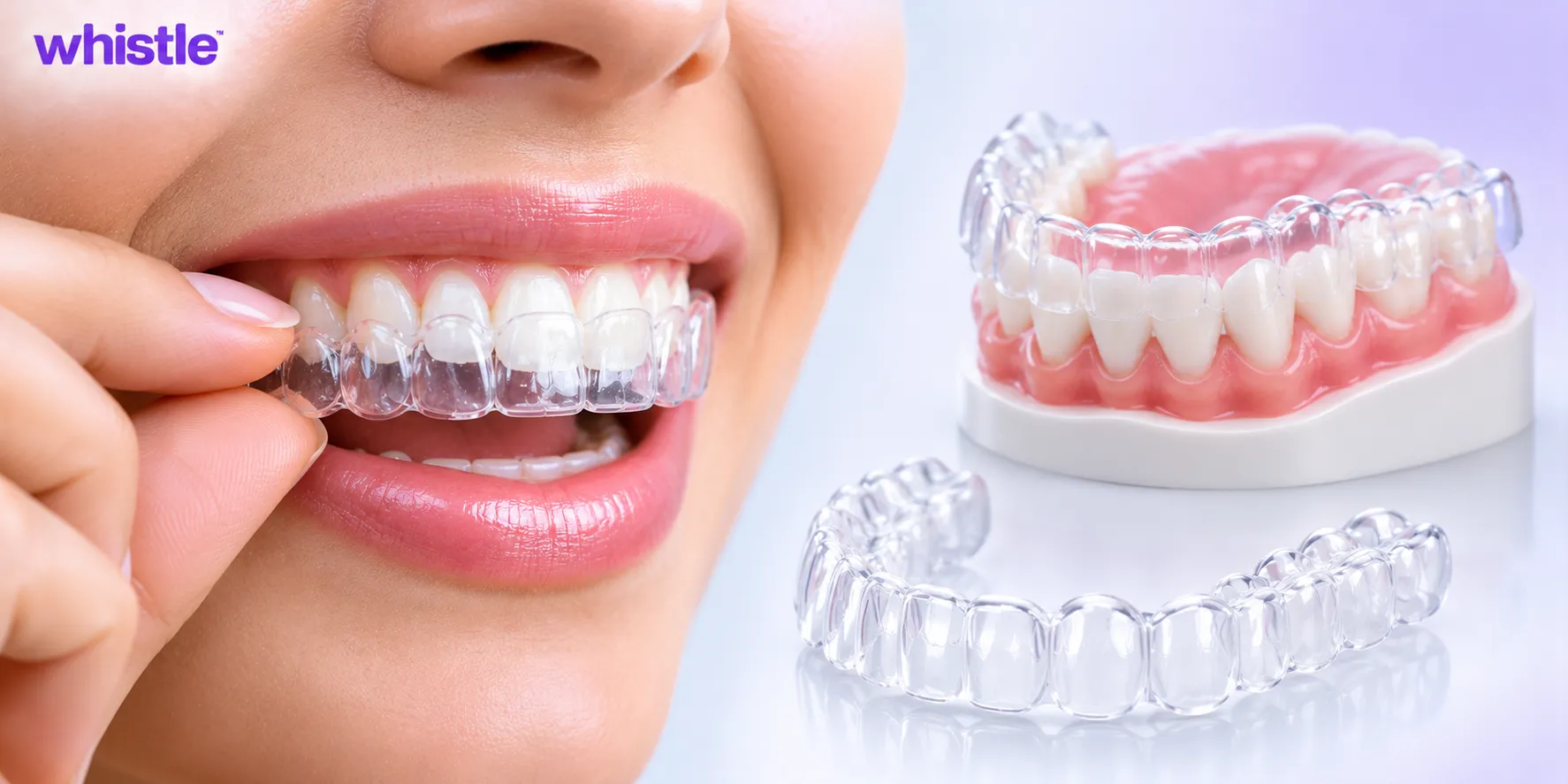
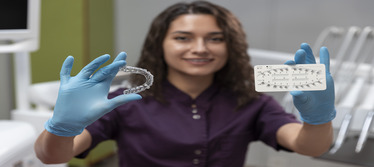
Aligner treatment is an advanced orthodontic teeth alignment treatment that straightens crooked, crowded, or spaced teeth using a sequential series of custom-molded, transparent plastic trays.
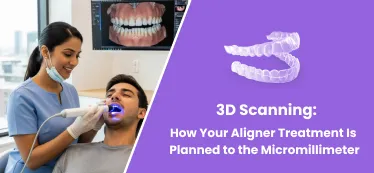
Engineered through 3D intraoral digital scans and specialized orthodontic CAD/CAM software, each clear aligner applies gentle, controlled pressure to trigger cellular bone remodeling, gradually shifting teeth into anatomical alignment without metal brackets or wires.
Key Takeaways
- Biological Mechanism of Movement: Clear aligners exert gentle, continuous mechanical force that stimulates bone resorption on the compression side and new bone deposition on the tension side, moving teeth by fractions of a millimeter per tray.
- Clinical Wear Protocol: Trays must be worn for 20 to 22 hours each day and switched sequentially every 10 to 14 days, being removed solely for eating, drinking non-water beverages, and daily oral hygiene.
- Essential Biomechanical Auxiliaries: Tooth-colored composite attachments and microscopic interproximal reduction (IPR) provide critical grip points and space required for complex rotations and torque movements.
- Transparent Investment and Cost Factors: In India, teeth alignment treatment cost for clear aligners ranges between Rs. 60,000 and Rs. 2.5 Lakhs with flexible monthly EMI plans, determined primarily by case complexity and tray count.
- In-Person Specialist Oversight: Successful clear aligner therapy requires physical evaluation and monitoring by licensed MDS Orthodontists across Whistle partner clinics, avoiding the severe dental risks of direct-to-consumer mail kits.
Worn for 20 to 22 hours daily and changed every 10 to 14 days, clear aligner treatment offers superior aesthetics, unhindered oral hygiene, and predictable smile corrections under certified MDS Orthodontist supervision.
What Is Aligners Treatment?
How Do Clear Aligners Work? The Biomechanics of Tooth Movement
A common patient question is how lightweight, flexible plastic trays can move teeth embedded firmly in bone. The process relies on fundamental dentofacial biology and precision biomechanics:
Teeth are not fused directly to the jawbone. Instead, each tooth root is suspended in its bony socket by a dynamic network of connective tissue fibers called the periodontal ligament (PDL).
When a clear aligner is snapped into place, it is engineered to be a fraction of a millimeter different from the current position of your teeth. This slight discrepancy delivers continuous, low-magnitude physical force to the tooth crown.
This continuous force compresses the periodontal ligament on one side while stretching it on the opposite side. On the compression side, specialized bone-resorbing cells called osteoclasts break down microscopic bone tissue to create space for movement.
On the tension side, bone-building cells called osteoblasts deposit new bone matrix to stabilize the tooth in its new position. By replacing trays sequentially every 10 to 14 days, teeth migrate predictably through the alveolar bone, typically moving 0.2 to 0.25 millimeters per aligner stage.
The Role of SmartForce Attachments and Interproximal Reduction (IPR)
- Orthodontic Attachments: Small, tooth-colored composite buttons bonded temporarily to specific teeth. Attachments act as mechanical handles that allow the aligner plastic to exert complex three-dimensional movements, including root uprighting, canine rotation, and incisor extrusion.
- Interproximal Reduction (IPR): A conservative clinical technique where an orthodontist polishes a fraction of a millimeter (0.1 to 0.3 mm) of enamel between crowded teeth. IPR creates essential space to relieve crowding without requiring permanent tooth extractions.
Step-by-Step Clinical Journey of Clear Aligner Treatment
Teeth Alignment Treatment Cost: What Influences Clear Aligner Pricing in India?
- Malocclusion Complexity: Mild aesthetic adjustments (such as minor front tooth spacing) require fewer aligners and shorter treatment durations, sitting at the lower end of the cost spectrum. Severe skeletal discrepancies, deep overbites, or complex crossbites require extended staging and complex attachment mechanics.
- Number of Aligner Sets: Treatment costs scale with the total number of custom trays fabricated, ranging from 10 to 15 trays for minor relapse cases up to 40 or more trays for comprehensive dual-arch correction.
- Single Arch vs Dual Arch Treatment: Aligning only the upper or lower teeth costs substantially less than coordinating both upper and lower arches into a functional, harmonious occlusion.
- In-Person Specialist Supervision: High-quality clear aligner systems include direct clinical oversight by practicing MDS Orthodontists, including digital progress scans, professional attachment placements, and mid-treatment refinements.
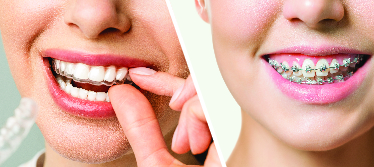
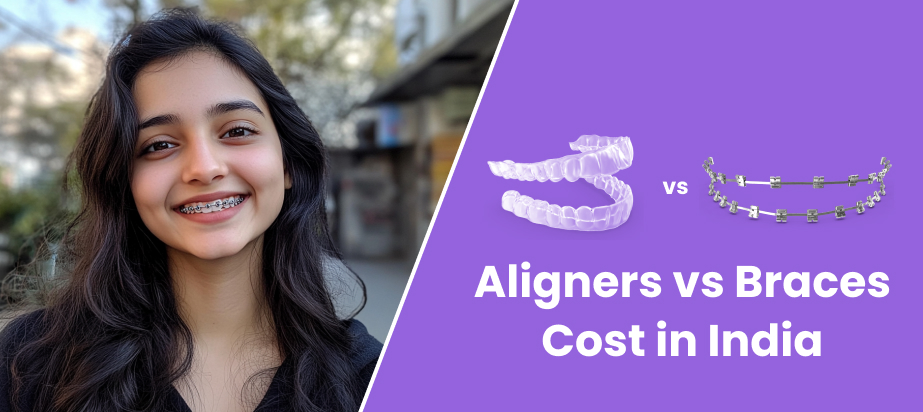
Clear Aligners vs Traditional Fixed Braces: Clinical Comparison Table
| Clinical Feature | Whistle Clear Aligners | Traditional Braces |
| Aesthetic Visibility | Virtually invisible, transparent medical polymer | High visibility with metallic brackets and wires |
| Removability | 100 percent removable for eating and cleaning | Fixed bonded brackets, non-removable |
| Daily Oral Hygiene | Standard brushing and flossing without obstruction | Requires floss threaders and specialized proxy brushes |
| Dietary Restrictions | None; aligners are removed during all meals | Strict avoidance of hard, sticky, or crunchy foods |
Conditions Effectively Treated by Clear Aligners
Advancements in clear aligner materials and digital biomechanics enable clinicians to correct a wide spectrum of malocclusions:
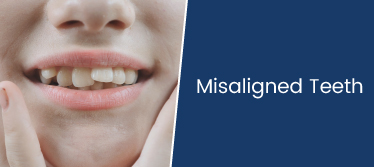
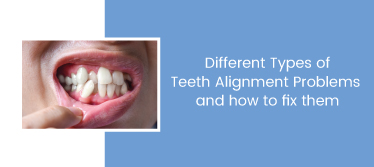
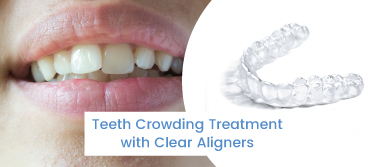
- Dental Crowding and Overlapping: Overlapping teeth caused by a lack of arch perimeter space, which traps plaque and increases gum disease risk.
- Spacing and Diastemas: Excessive gaps between teeth, particularly conspicuous midline gaps between upper front incisors.
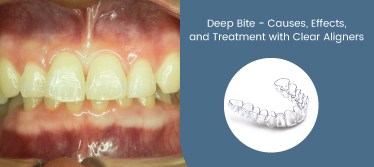
- Increased Overjet and Overbite: Protruding upper teeth or deep bites where upper teeth cover too much of the lower teeth during biting.
- Underbite (Class III Malocclusion): Mild-to-moderate forward positioning of the lower jaw where lower incisors overlap upper front teeth.
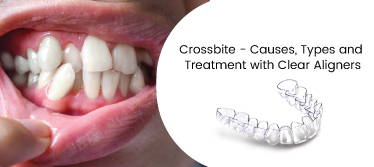
- Crossbite: Mismatched upper and lower arches where upper teeth sit inside the lower teeth, causing uneven tooth wear.
- Post-Orthodontic Relapse: Correcting teeth that have gradually shifted years after childhood braces due to inconsistent retainer wear.
Essential Wear Protocols, Tray Maintenance, and Hygiene
Because clear aligners are removable, treatment success depends entirely on patient compliance and hygienic discipline:
- The Non-Negotiable 22-Hour Rule: Aligners must be worn for 20 to 22 hours every single day. Leaving trays out for extended periods stops bone remodeling and delays treatment progress.
- Cold or Lukewarm Water Drinking Only: Never drink hot coffee, tea, or warm liquids with aligners seated. High heat warps medical thermoplastic polymers, destroying the precise force distribution.
- Brush Teeth Before Reinserting Trays: Snapping aligners over unbrushed teeth traps fermentable sugars and acids directly against enamel, causing rapid demineralization and chalky white spot lesions.
- Dedicated Daily Tray Sanitization: Clean aligners twice daily using a soft toothbrush and cool water. Soak trays daily in specialized effervescent aligner cleaning crystals to dissolve odor-causing bacteria.
- Store in Protective Hard Cases: Whenever trays are removed for meals, place them immediately into their ventilated hard travel case. Wrapping aligners in paper napkins is the leading cause of accidental loss.
When to Consult an Orthodontist
If you notice functional bite problems or aesthetic misalignment, seek a professional orthodontic evaluation if you experience:
- Difficulty Chewing or Uneven Tooth Wear: Teeth meeting unevenly, causing localized enamel chipping or muscular strain when biting.
- Food Trapping and Bleeding Gums: Tightly crowded teeth that prevent regular flossing and cause localized gingival bleeding.
- Self-Consciousness Regarding Smile Aesthetics: Hesitation to smile openly in professional or social settings due to crooked or spaced teeth.
- Early Interceptive Screening for Children: Children should have their first orthodontic evaluation by age seven to catch jaw growth discrepancies early.
Critical Safety Warnings and Risks of Direct-to-Consumer Mail Kits
The rise of unmonitored mail-order aligner kits poses severe threats to patient safety:
- Absence of Pre-Treatment Radiographs: Mail-in impression kits do not take panoramic X-rays or CBCT scans. Moving teeth over undetected impacted supernumerary teeth, bone loss, or root resorption can cause irreversible tooth loss.
- Lack of In-Person Periodontal Assessment: Applying orthodontic forces to teeth with untreated active gum disease accelerates bone loss, leading to pathological mobility.
- Unchecked Bite Collisions and TMD: Moving teeth without verifying how opposing teeth meet can create traumatic bite interferences, resulting in chronic jaw joint pain (TMD) and cracked molars.
- Mandatory Clinical Safeguard: Orthodontic tooth movement is a medical procedure that requires licensed in-person MDS Orthodontist diagnosis, clinical monitoring, and progress verification.
Ready to Start Your Aligner Treatment?
Aligner treatment represents a modern, clinically proven approach to achieving balanced dentofacial alignment and optimal oral health.
By applying gentle, continuous forces through a series of custom clear trays, patients can resolve crowding, close gaps, and correct bite discrepancies with superior comfort and aesthetics.
Success requires consistent 22-hour daily wear, diligent oral hygiene, and regular in-person monitoring by an orthodontic specialist. By partnering with a qualified clinical team, you can achieve a radiant, stable smile designed to last a lifetime.
The first step is simply finding out whether aligners suit you. Book a 3D teeth scan at a Whistle partner clinic near you and see a preview of your new smile before you commit.
Book 3D Teeth Scan
Consult our experts and get a 3D preview of your smile transformation!
Aligners treatment
FAQ's
Q1.How many hours a day do I need to wear clear aligners?
You must wear your clear aligners for 20 to 22 hours per day to achieve predictable tooth movement. Trays should only be removed for eating meals, drinking non-water beverages, and brushing or flossing your teeth.
Q2.Is aligner treatment painful compared to traditional braces?
Q3.Can I drink coffee, tea, or soda while wearing clear aligners?
No. You should only drink plain, room-temperature water while wearing aligners. Hot beverages can warp the thermoplastic material, while colored and sugary drinks seep beneath the plastic, staining trays and accelerating tooth decay.
Q4.What happens if I forget to wear my aligners for several days?
Skipping aligner wear allows teeth to drift backward toward their previous positions. When you attempt to reinsert the aligner, it may feel excessively tight or fail to track properly. If you have been out of your trays for multiple days, contact your orthodontist before forcing a new tray on.
Q5.Will wearing clear aligners affect my speech or cause a lisp?
You may notice a slight, temporary lisp for the first two to three days as your tongue adjusts to the thin plastic along the roof of your mouth. As the tongue adapts, speech returns completely to normal within 48 to 72 hours.
Q6.Do I really need to wear retainers after completing aligner treatment?
Yes, retainers are mandatory after any orthodontic therapy. The bone surrounding newly moved teeth requires several months to consolidate and stabilize. Wearing custom clear retainers nightly prevents natural physiological relapse and keeps your teeth straight permanently.

 Medically Reviewed by Whistle Dental Team
 Medically Reviewed by Whistle Dental Team








 Medically Reviewed by Whistle Dental Team